معرفی
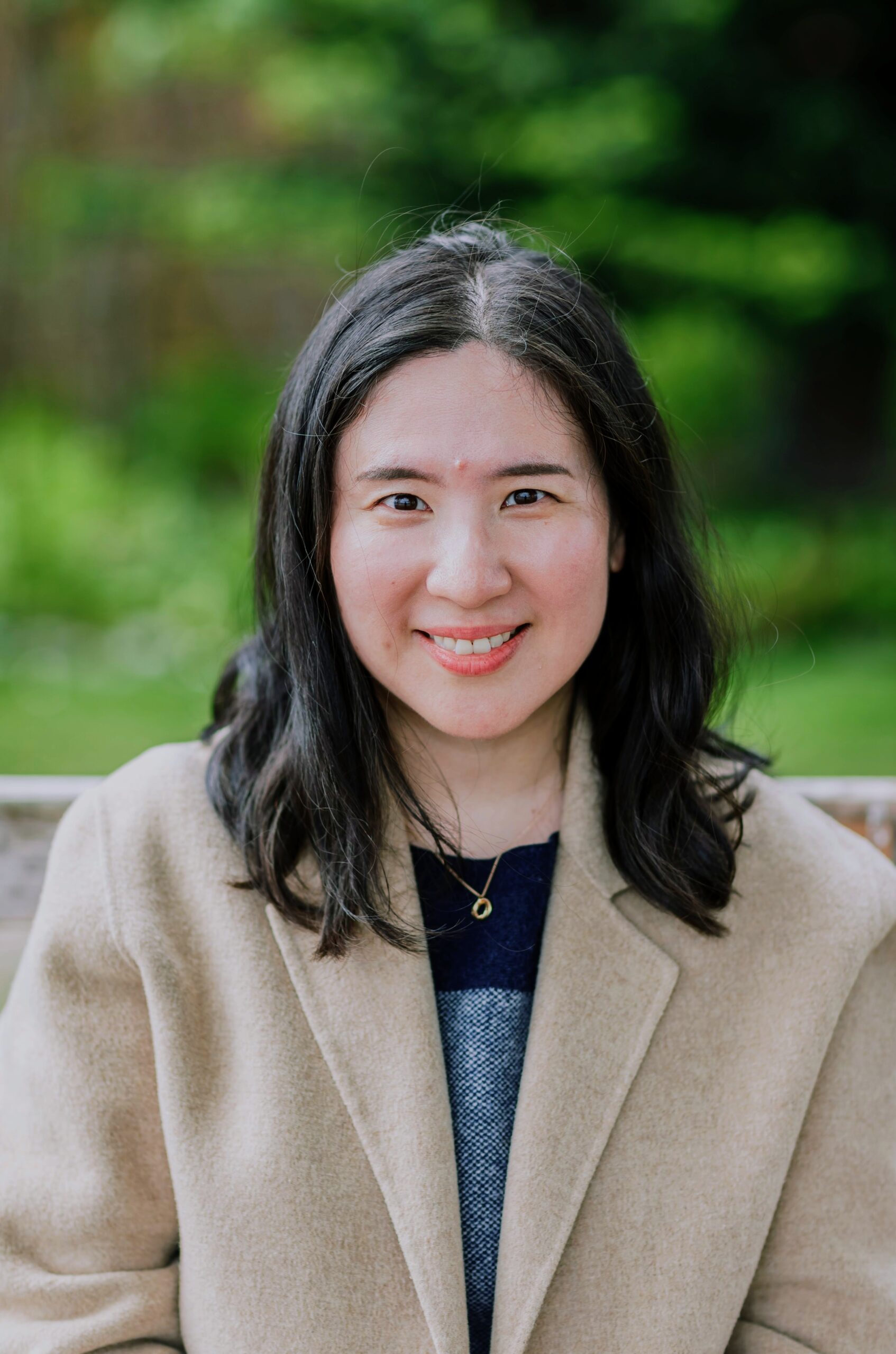
Jing Li is an Associate Professor of Health Economics and Associate Director of The CHOICE Institute at the University of Washington School of Pharmacy. Her work bridges health economics, policy evaluation, and aging research, with a particular focus on decision-making processes in healthcare for both providers and patients. She contributes to multiple research centers including the Department of Pharmacy, Plein Center for Aging, and the CHOICE Institute.
Education:
- PhD in Health Policy (Economics Track), University of California at Berkeley, 2016
- MS in Economics, University of California at Berkeley, 2015
- MA in International Comparative Education, Stanford University, 2009
- BA in Economics and English, Peking University, China, 2008
Dr. Li's research focuses on the economic, social, and behavioral factors affecting healthcare decision-making, with particular emphasis on aging populations and cognitive impairment. Her work examines physician behavior, experimental economics methods in healthcare, and policy evaluation related to dementia care, drug policy, and end-of-life decisions. She employs advanced experimental and econometric methods to address understudied questions in health economics and policy.
Analysis of her recent publications reveals a strong focus on dementia care economics, Medicare policy impacts, and physician decision-making. Her work spans methodological innovations in causal inference and real-world data analysis, with applications in aging, cognitive impairment, and healthcare financing. Notable research areas include the economic burden of dementia, advance care planning policy evaluation, and physician altruism in clinical decision-making.
Key Research Themes:
- Economic impact of dementia and cognitive impairment
- Medicare policy evaluation and impacts on care quality
- Physician decision-making and social preferences
- End-of-life care economics and advance care planning
- Healthcare costs for aging populations
Dr. Li actively mentors students through courses HEOR 597 (Graduate Seminar) and HEOR 598 (HEOR Methodologies Seminar). Her research has been supported by numerous grants focused on aging, dementia care, and health policy evaluation. She collaborates extensively with researchers across disciplines including medicine, economics, and public health.
Her work contributes significantly to the Plein Center for Aging and the CHOICE Institute, where she examines healthcare utilization patterns, cost implications, and policy interventions for vulnerable populations, particularly older adults with cognitive impairments.