معرفی
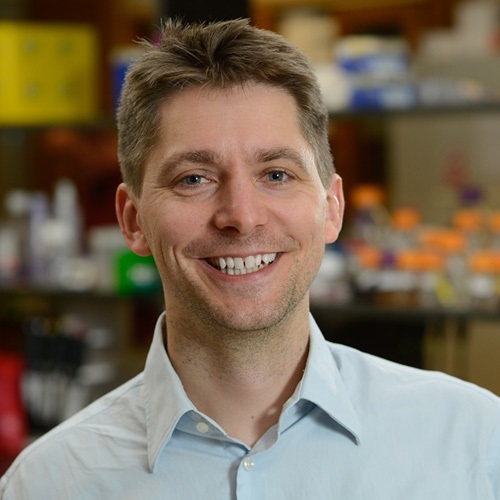
Jessica Sieber serves as an Assistant Professor in the Swenson College of Science and Engineering at the University of Minnesota Duluth, where she leads research on microbial physiology in anaerobic environments with emphasis on microbe-microbe and microbe-host interactions across diverse systems including human gut microbiomes, hibernating mammals, and wastewater treatment.
Education:
- Ph.D., University of Oklahoma, 2011
- B.S., University of Oklahoma, 2004
Research Focus: Her laboratory investigates how methanogenic Archaea influence human health through trimethylamine metabolism (preventing atherosclerosis) and explores uncultured microorganisms in hibernating 13-lined ground squirrels to understand microbial survival mechanisms during physiological extremes. Using integrated approaches including 16S rRNA analysis, metagenomics, and culture-based experiments, her work reveals critical roles in fat metabolism and vitamin production during hibernation.
Publication Trends: Analysis of her 15 most recent publications (2013-2021) demonstrates consistent expertise in syntrophic metabolism, with recurring themes of hydrogen/formate transfer mechanisms, genomic characterization of anaerobic bacteria (Syntrophomonas wolfei, Syntrophus aciditrophicus), and host-microbiome interactions. Her work bridges fundamental microbial physiology with applications in human health and environmental systems.
Mentorship: She currently advises two Master's students in Integrated Biosciences: Haley Ersfeld and Miranda Galey, focusing on microbial community dynamics in host-associated environments.
Technical Approach: Her research program combines high-throughput 'omics methodologies with traditional microbiology techniques to address complex questions about anaerobic microbial communities across medical, ecological, and biotechnological contexts.