معرفی
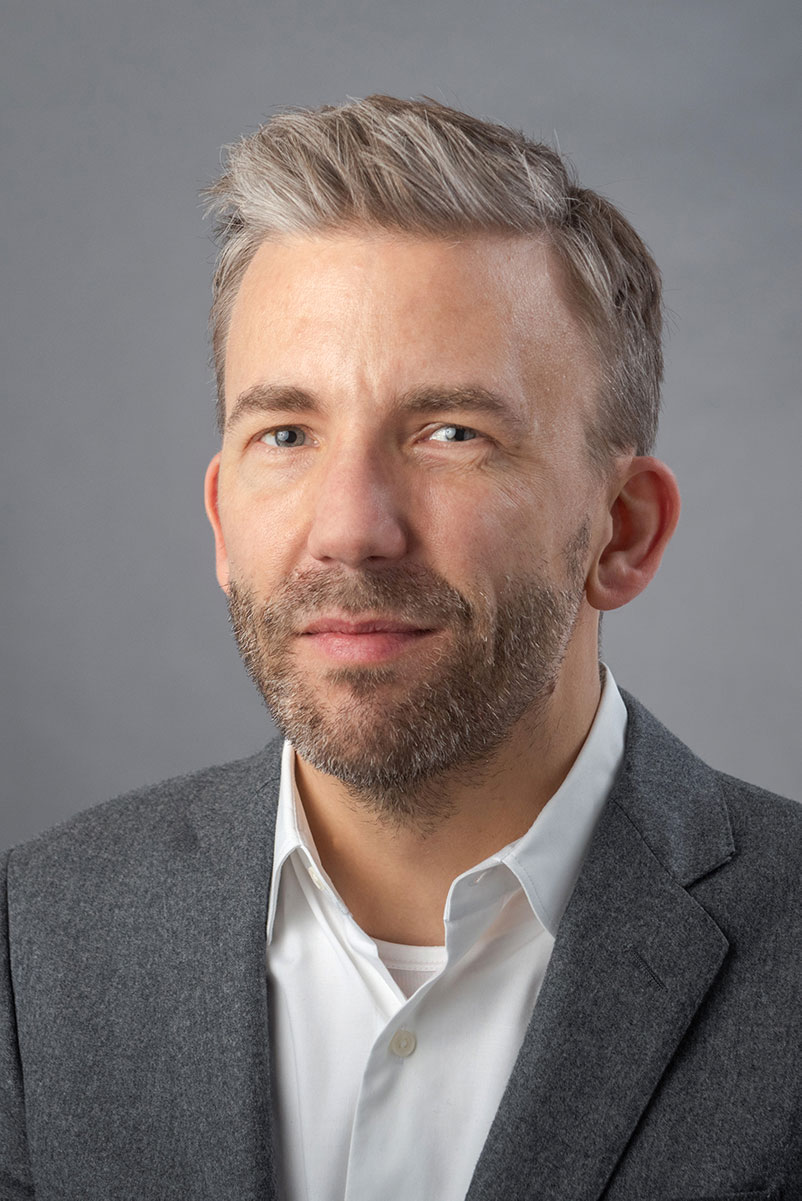
Jesse LeCavalier is Associate Professor in the Department of Architecture at Cornell University's College of Architecture, Art, and Planning (AAP), where he also serves as Director of the Master of Science in Advanced Urban Design (M.S. AUD) program. Based in New York City, his academic work bridges architectural design, theory, and urbanism with a specialized focus on logistics and infrastructure.
His research explores the spatial, architectural, and social implications of logistical systems, particularly those of large-scale retailers like Walmart. He is the author of The Rule of Logistics: Walmart and the Architecture of Fulfillment (University of Minnesota Press, 2016), a seminal work that investigates how retail logistics reshape buildings, cities, and human behavior. His design research has been exhibited internationally, including at MoMA PS1, the Oslo Architecture Triennale, and the Seoul Biennale for Architecture and Urbanism, with projects such as SHELF LIFE, Alimentary Urbanism, and Machinic Wilderness.
LeCavalier’s scholarly writings have appeared in prominent journals such as Places, Public Culture, Harvard Design Magazine, and Cabinet. His recent articles reflect a consistent thematic focus on the intersection of architecture, technology, and material flows, exploring topics from automated fulfillment centers to speculative urban futures. The body of work demonstrates a deep engagement with how digital and physical infrastructures co-constitute contemporary urban environments.
- Core77 Design Award, Writing & Commentary (2013)
- ACSA New Faculty Teaching Award (2014)
- Finalist, MoMA PS1 Young Architects Program (2018)
- Finalist, Sudbury 2050 Urban Design Competition (2020)
- Finalist, Tromsø Waterfront Laboratory Open Call (2019)
LeCavalier has advised and collaborated with students and design teams on numerous projects, particularly through seminars and design studios such as the Landscapes of Fulfillment seminar at Yale. While formal PhD or Master’s advisees are not listed, his leadership roles indicate active mentorship. He has received funding and support from institutions such as the New York State Council for the Arts. His research is conducted both independently and in collaboration with interdisciplinary teams, often involving engineers, designers, and technologists.
His work is supported by a network of labs and collaborative initiatives, including the Landscapes of Fulfillment seminar and projects like Milgram and Test Bed Urbanism, which explore smart cities and digital infrastructure. Future research directions include regenerative urbanism, post-anthropocene landscapes, and the transformation of industrial legacies into public and ecological assets.