معرفی
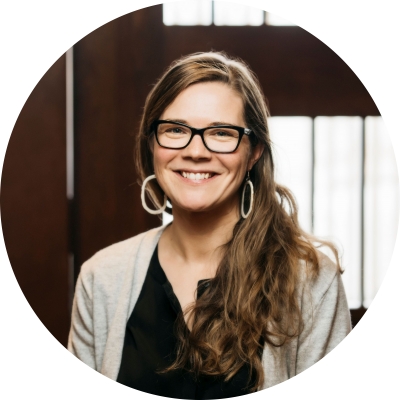
Jess Dunkin is a settler historian and writer based in Sǫ̀mba K’è (Yellowknife, NT) since 2015. She holds an adjunct professorship in the Faculty of Kinesiology, Sport, and Recreation at the University of Alberta and serves as a Research Associate at the Western Arctic Research Centre in Inuvik.
Her academic credentials include history and education degrees from Trent University and Carleton University, followed by a PhD. She completed a SSHRC Postdoctoral Fellowship at Queen’s University’s School of Kinesiology and Health Studies prior to relocating north.
Dunkin’s research originated in the social and spatial politics of 19th-century North American canoeing, culminating in her 2019 monograph. Her work has since expanded through community collaborations to address residential schooling histories, Indigenous land stewardship, and industrial development impacts in northern contexts. This evolution reflects her commitment to centering Indigenous knowledge systems and community priorities in historical scholarship.
Her recent publications demonstrate a clear trajectory toward collaborative, community-driven research focused on northern Indigenous experiences. Key themes include the intersection of recreation and residential school trauma, petroleum extraction histories, and Indigenous place-based knowledge systems, with consistent emphasis on decolonizing methodologies and knowledge co-creation.
Her scientific recognition includes:
- SSHRC Postdoctoral Fellowship
Dunkin leads two major collaborative projects: 'How I Survived' documents residential school Survivors’ recreation stories through a committee of Survivors and intergenerational Survivors, while the Petroleum Histories Project records Norman Wells’ oil extraction history to support Sahtú Dene and Métis regulatory participation. Both projects involve multi-year funding partnerships with Indigenous councils, universities, and non-profits.
She operates within community-led research frameworks involving Sahtú Renewable Resources Board, NWT Recreation and Parks Association, and intergenerational Survivor committees, prioritizing Indigenous governance of historical narratives and knowledge preservation for future generations.