معرفی
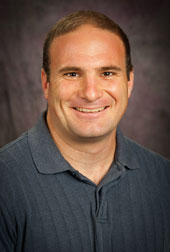
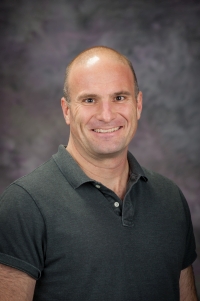
Jeremy Schmit is a Professor in the Department of Physics at Kansas State University, where he leads an active research group focused on theoretical soft condensed matter and biological physics. His work bridges physics, biology, and chemistry to understand complex biomolecular systems, with particular emphasis on emergent properties in large biomolecular systems. He maintains strong collaborations with experimental groups across multiple institutions and has secured research funding from Amgen, Inc. and the National Institutes of Health.
Schmit earned his Ph.D. in 2005 from the University of California, Santa Barbara and completed his undergraduate studies at Northwestern University in 1999. His academic journey has positioned him at the forefront of theoretical biophysics, where he applies physical principles to biological problems.
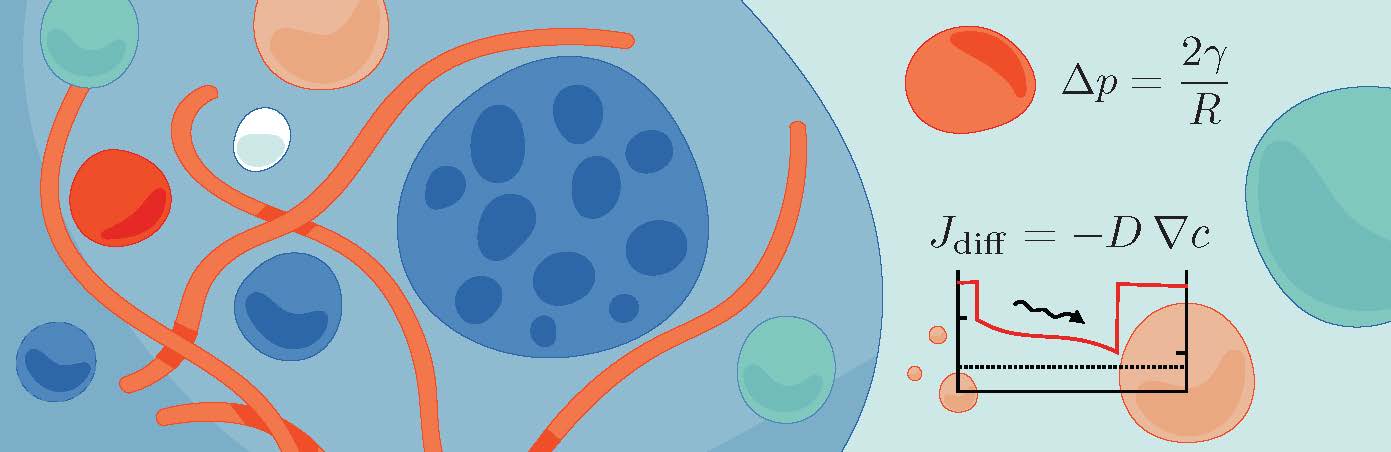
His research spans multiple areas including biomolecular phase separation, amyloid fibril formation, protein crystallization, self-assembly, and drug formulations. A unifying theme in his work is the identification of emergent properties in large systems of biomolecules that cannot be predicted from individual component properties. His group primarily uses analytic theory while maintaining close collaborations with experimental groups to validate theoretical predictions. Current projects examine membraneless organelles, aggregation diseases, self-assembly processes, and regulatory networks in cells.
Analysis of Schmit's recent publications reveals a strong focus on biomolecular condensates and phase separation phenomena, with significant contributions to understanding the physical principles governing membraneless organelles, amyloid formation, and protein aggregation. His work increasingly addresses the functional implications of these physical phenomena in cellular contexts, demonstrating how nanometer-scale molecular characteristics translate to macroscopic phase behavior with biological significance.
As an advisor, Schmit has mentored numerous graduate students and postdoctoral researchers, including Terry Salava, Jr., SK Ashif Akram, Shabnaz Afrin, and several former students who have completed their degrees under his supervision. His research group maintains active collaborations with investigators at multiple institutions including the Johnson Cancer Research Center, Biochemistry and Molecular Biophysics program at K-State, and external partners like Amgen.
The Schmit Research Group operates within the Soft Matter Physics community at Kansas State University, contributing to the university's strength in theoretical biophysics. The group maintains specialized computational resources for molecular modeling and theoretical work, and participates in interdisciplinary initiatives including the Biochemistry and Molecular Biophysics program and the Johnson Cancer Research Center.