معرفی
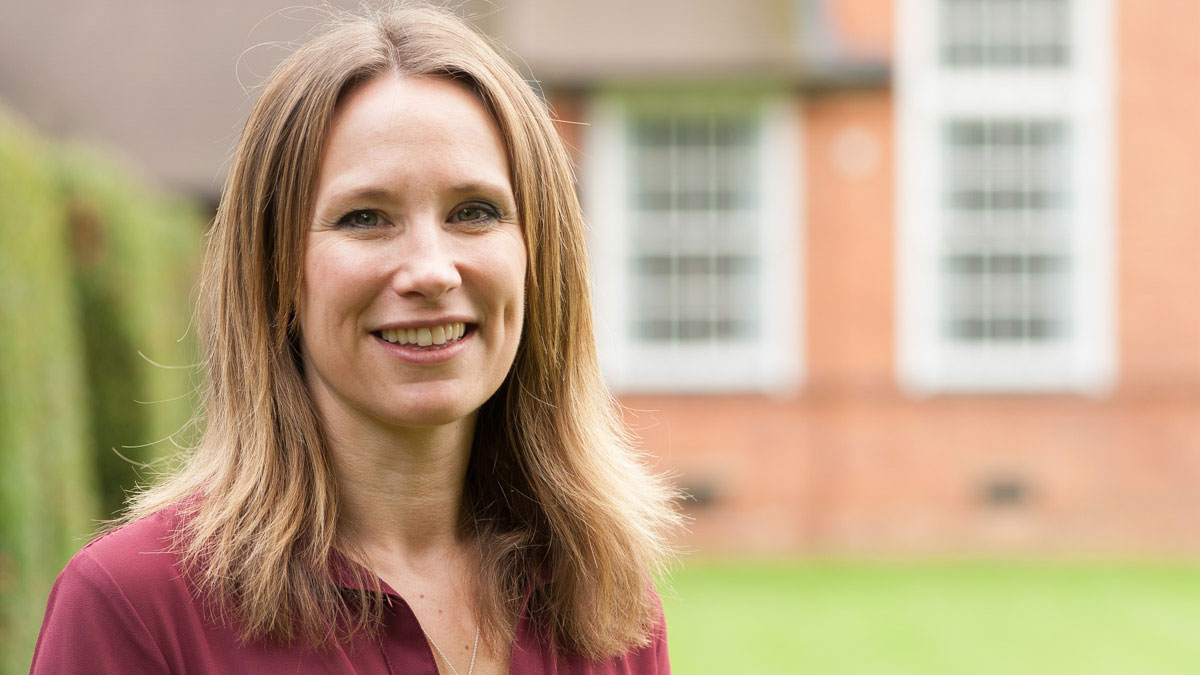
Dr. Jennifer Wells is a Senior Lecturer and Programme Leader for the MA Education (Home Students) at the School of Education, Faculty of Education, Health & Wellbeing, University of Wolverhampton, based at the Walsall Campus. She teaches across Childhood and Youth undergraduate programs and supervises EdD and PhD students. She holds a Senior Fellowship of the Higher Education Academy (SFHEA), awarded in 2021, recognizing her excellence in teaching and academic practice.
Education:
- Doctorate in Education, Keele University, 2016 – Focused on primary school boys, literacy achievement, and hegemonic identities.
- MA in Applied Linguistics and English Language Teaching, University of Nottingham, 2010.
Her research is centered on gender and education, with a strong emphasis on non-binary and gender-creative identities, inclusion, literacy, and social justice. She employs qualitative research methodologies to explore how identity shapes educational experiences and outcomes, particularly in English education and Further Education contexts. Her work critically examines curriculum design, pedagogical practices, and institutional policies that impact marginalized learners.
Her recent publications focus on the SENCo role and creative spaces in the English curriculum, reflecting her interdisciplinary engagement with special educational needs, inclusion, and curriculum innovation. These works span from Key Stage 1 to 3 and highlight systemic constraints and pedagogical aspirations in subject English.
Scientific Awards and Recognitions:
- Senior Fellow of the Higher Education Academy (SFHEA), 2021
Professional Memberships:
- Gender and Education Association
- British Educational Research Association
Dr. Wells has extensive experience in the Further Education sector, having served as Head of English and Programme Leader for Higher Education in FE, with leadership roles in Foundation Degrees and Education Studies programs. She currently contributes to school governance as the English and SEND link Governor in a secondary school, bridging academic expertise with practical educational leadership. While no specific grants are mentioned, her collaborative publications suggest active research partnerships and engagement with educational policy and practice.
She is involved in developing higher education provision within further education institutions and continues to influence pedagogy through teaching, research, and professional service.