معرفی
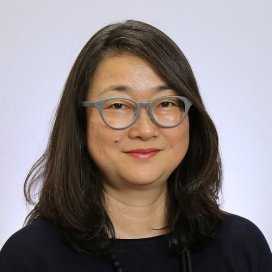
Jennifer Siegel serves as the Bruce R. Kuniholm Distinguished Professor in the Department of History at Duke University's Trinity College of Arts & Sciences. A specialist in modern European diplomatic and military history, she focuses on British and Russian imperial dynamics with particular expertise in financial diplomacy and intelligence operations during pivotal historical periods.
Education:
- Ph.D., Yale University (1998)
- B.A., Yale University (1990)
Professor Siegel's research explores the intersection of finance, military conflict, and diplomatic strategy in European history. Her work examines imperial rivalries in Central Asia, intelligence methodologies across eras, and the economic foundations of international relations. Current projects investigate First World War diplomacy, Rothschild involvement in Russian oil, and civilian intelligence networks in occupied Belgium. She teaches courses spanning European warfare, comparative empires, intelligence history, and the geopolitical history of oil.
Her publications reveal consistent thematic threads: the role of financial systems in international order, intelligence as a statecraft tool, and imperial competition dynamics. Key works analyze Anglo-Russian rivalry in Central Asia, wartime economic mobilization, and intelligence failures across historical contexts from Roman times to the Cold War.
Scientific Awards:
- AAASS Barbara Jelavich Prize (2003) for Endgame: Britain, Russia and the Final Struggle for Central Asia
Professor Siegel has mentored graduate students in modern European history while securing research support for her archival investigations in Russian and British collections. Her editorial work on Intelligence and Statecraft established frameworks for analyzing intelligence efficacy across historical periods. Current grant activities likely support her ongoing WWI-era projects involving multinational archival research.
Though not affiliated with formal research labs, her work exemplifies collaborative historical scholarship through edited volumes and interdisciplinary conference participation. Her future research promises deeper integration of financial history with diplomatic and intelligence studies, particularly regarding energy geopolitics and wartime economic statecraft.