معرفی
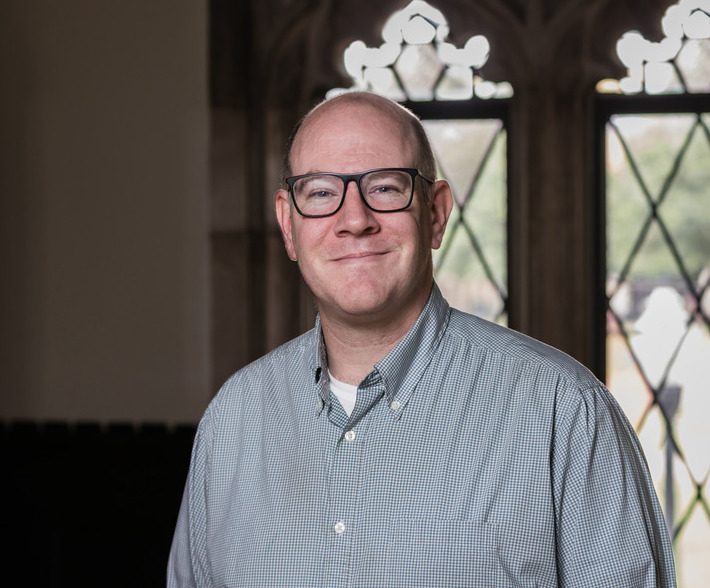
Jennifer Ann Frey is a Professor of Philosophy & Religion at The University of Tulsa, affiliated with the Kendall College of Arts & Sciences. She previously served as the inaugural Dean of the Honors College and maintains a secondary faculty appointment in philosophy. She also holds external affiliations as a Faculty Fellow at the Institute for Human Ecology at the Catholic University of America and a Newbigin Interfaith Fellow with The Carver Project.
Her educational background includes a Ph.D. in Philosophy from the University of Pittsburgh and a B.A. in Philosophy and Medieval Studies (with a Classics minor) from Indiana University-Bloomington. She has held prior academic positions at the University of South Carolina as an Associate Professor and at the University of Chicago as a Collegiate Assistant Professor of the Humanities.
Jennifer Frey's research centers on moral psychology, virtue, ethics, and the intersection of philosophy with literature and theology. Her work emphasizes the role of virtue in human flourishing and the ethical dimensions of literary interpretation. She is deeply committed to liberal education and its capacity to shape character and self-understanding.
Although specific publications are not listed in detail, her scholarly trajectory includes co-editing Self-Transcendence and Virtue, completing Practical Truth (with Christopher Frey), and a forthcoming volume Practical Wisdom under contract with Oxford University Press. Her research has been supported by major funding, particularly the John Templeton Foundation grant.
- Multi-million dollar grant from the John Templeton Foundation for 'Virtue, Happiness, and the Meaning of Life'
- Peter and Bonnie McCausland Faculty Fellow, College of Arts and Sciences, University of South Carolina
Jennifer Frey advises on philosophical and educational projects and leads significant interdisciplinary research initiatives. She is the founder and host of the popular podcast Sacred and Profane Love, which brings philosophical and theological reflection to literature for a broad audience. She has no listed graduate students in the provided material, but her mentorship extends through public engagement and academic leadership.
She is actively involved in academic communities through her podcast, public writing, and collaborative research. Her work bridges academic philosophy with public intellectual life, engaging audiences through media, lectures, and interdisciplinary dialogue. She is not associated with a formal lab but leads intellectual initiatives such as the podcast and Templeton-funded project as core collaborative efforts.