معرفی
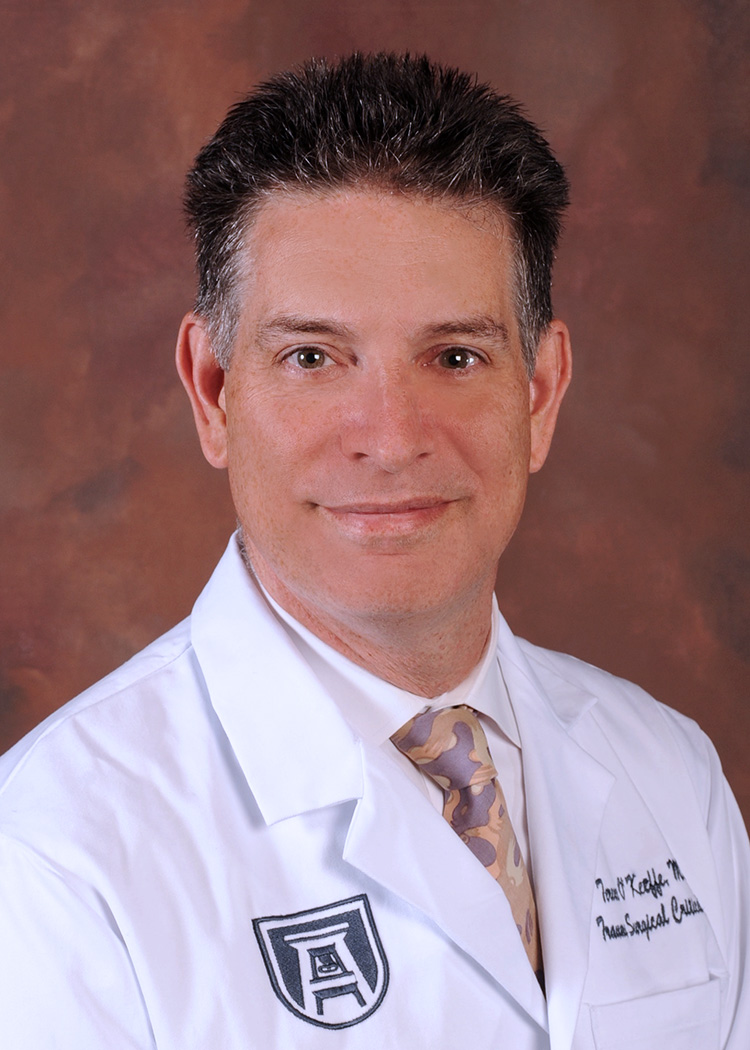
James M. Bardes is an Associate Professor in the Department of Surgery at West Virginia University School of Medicine, where he also serves as Vice Chair of Research. He specializes in Trauma, Acute Care Surgery, and Surgical Critical Care, contributing significantly to clinical, educational, and research missions.
Education:
- Doctor of Medicine (MD), West Virginia University School of Medicine, 2011
- Bachelor of Science in Biology, The Richard Stockton College of New Jersey, 2006
Postgraduate Training:
- Surgical Residency, West Virginia University, 2011–2016
- Surgical Critical Care and Trauma Fellowship, Los Angeles County + University of Southern California, 2016–2018
His research interests center on trauma outcomes, particularly in rural populations, hemorrhage control, biofilm formation in critical care settings, and prehospital trauma systems. He investigates how time, distance, and access to care affect mortality and develops strategies to improve rural trauma care delivery. His work spans basic science, clinical outcomes, and translational applications.
The 15 most recent publications reflect a strong focus on trauma surgery, critical care, and surgical innovation. Topics include duodenal and pancreatic trauma, tracheoesophageal injuries, biofilm in endotracheal tubes, and rural trauma systems. The research demonstrates a blend of clinical outcomes, epidemiological analysis, and procedural innovation, with keywords spanning trauma surgery, critical care, rural health, and infection control.
Scientific Awards and Grants:
- West Virginia Clinical and Translational Science Institute Research Scholar (NIH), PI, $108,854
- NSF Track-2 WVAR-CRESH Seed Grant, PI, $32,000
- WVCTSI Pilot Grant, PI, $5,000 and $4,900 (two awards)
Dr. Bardes actively mentors medical students, residents, and other trainees in research. He leads the Appalachian Research Consortium on Trauma (ARC-Trauma), a national multicenter collaboration focused on rural trauma outcomes. He has received multiple grants as Principal Investigator, supporting innovative work in prehospital transport algorithms, biopatch efficacy, and eye health screening in elderly trauma patients. His leadership in national trials and consortium development highlights his role in advancing trauma care research.
He is involved in multiple labs and research groups focused on trauma outcomes, biofilm research, and rural health innovation. As founding center of ARC-Trauma, his team collaborates with six ACS Level 1 trauma centers serving rural populations to build a comprehensive database for studying best practices in rural trauma care.