معرفی
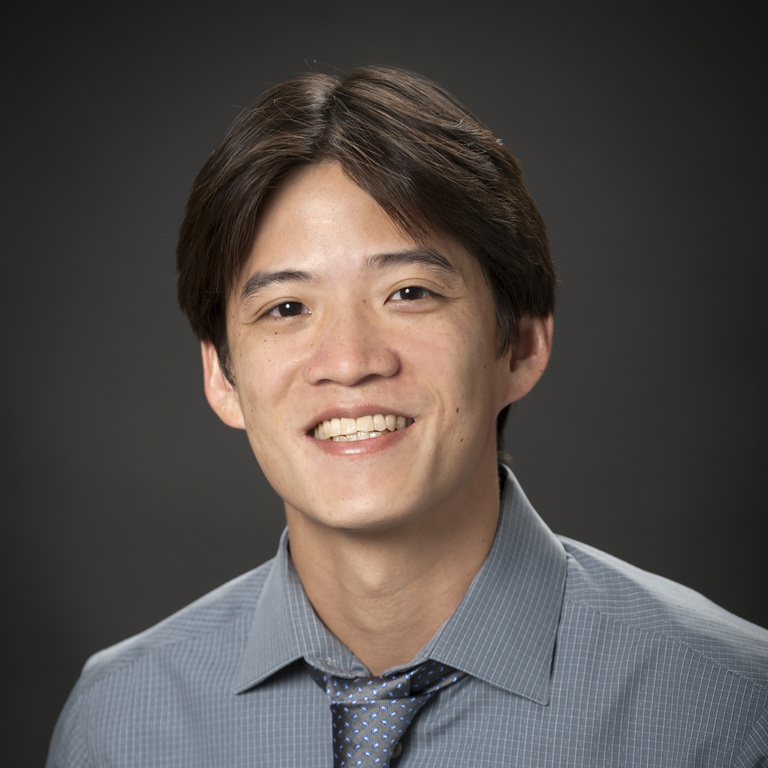
Dr James Hardie-Bick is Associate Professor in Sociology and Criminology at the School of Law, Politics and Sociology, University of Sussex. He holds a PhD from Durham University, an MA from the University of Kent, and completed his undergraduate studies at Bangor University. Prior to joining Sussex in 2013, he served as a Research Officer at the University of Bath and as a lecturer at Keele University.
His research lies at the intersection of criminology, sociology, and existential philosophy. Key areas include self-identity, risk, violence, transgression, edgework, and moral careers. He explores how individuals navigate extreme roles—such as skydivers, extremists, or veterans—and how they reconstruct identity upon exit. His work draws on theorists including Goffman, Sartre, Becker, and Katz.
- Skydiving and existential risk
- Phenomenology of violent extremism
- Transitions from extraordinary roles
- Existential dimensions in law and governance
- Narrative identity in imprisonment
- Recognition and selfhood
His recent publications show a strong trend in existential criminology, focusing on the emotional and philosophical underpinnings of risk-taking, violence, and identity transformation. He co-edits the Palgrave Pioneers in Criminology book series, promoting critical and interdisciplinary scholarship.
Notable scientific contributions include his co-edited volumes Crime, Governance and Existential Predicaments (2011), Transcendence and Transgression (2012), Existential Dimensions in the Socio-Legal Sphere (2015), and Ex-treme Identities and Transitions Out of Extraordinary Roles (2022). While no formal awards are listed, his publications have been cited in academic and public spheres, including Wikipedia and news outlets.
James supervises PhD students on topics including far-right terrorism, radicalization, and gender in architecture. He convenes undergraduate modules on criminological classics and crimes against humanity, and a postgraduate module on the existential self with Susie Scott. He is not associated with a specific lab or research center but collaborates widely across disciplines.