معرفی
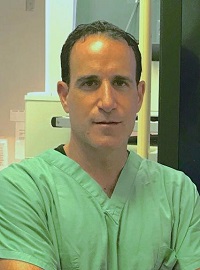
James Brophy, MD, PhD is a Senior Scientist at the Research Institute of the McGill University Health Centre (RI-MUHC) and a tenured full Professor in the Department of Medicine and the Department of Epidemiology and Biostatistics at McGill University. He is affiliated with the Cardiovascular Health Across the Lifespan Program and the Centre for Outcomes Research and Evaluation at RI-MUHC, and works within the Division of Cardiology at the McGill University Health Centre.
Dr. Brophy's educational background includes a PhD in Epidemiology & Biostatistics from McGill University, Cardiology/Internal Medicine training from Université de Montreal, an MD from McMaster University, and both an M.Eng and B.Eng from McGill University.
His research interests span cardiovascular epidemiology, pharmacoepidemiology, Bayesian statistics, health technology assessment, economic analyses, and clinical research. Dr. Brophy has made significant contributions to the application of Bayesian methods in cardiovascular clinical trials and meta-analyses. His work often focuses on methodological issues in clinical research, including collider stratification bias, interpretation of clinical trial results, and appropriate statistical approaches for cardiovascular outcomes research.
Dr. Brophy's recent publications demonstrate a strong focus on Bayesian approaches to interpreting cardiovascular clinical trials, with particular attention to antiplatelet therapy, valve replacement procedures, and methodological considerations in trial design and analysis. His work bridges clinical cardiology with advanced statistical methodologies, providing nuanced interpretations of cardiovascular evidence that consider both clinical relevance and statistical rigor.
- Fellow of the Canadian Academy of Health Sciences
- Fellow of the Canadian Cardiovascular Society
- FRQS chair in health technology assessment and evidence-based medicine (2008-2023)
Dr. Brophy is an active contributor to methodological discussions in cardiovascular research, frequently engaging with topics of statistical interpretation, bias in clinical trials, and evidence-based medicine. He maintains an active presence in academic discourse through social media, where he discusses methodological issues in clinical research and statistical interpretation, reflecting his commitment to advancing evidence-based cardiovascular care through rigorous methodological approaches.