معرفی
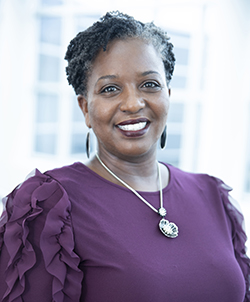
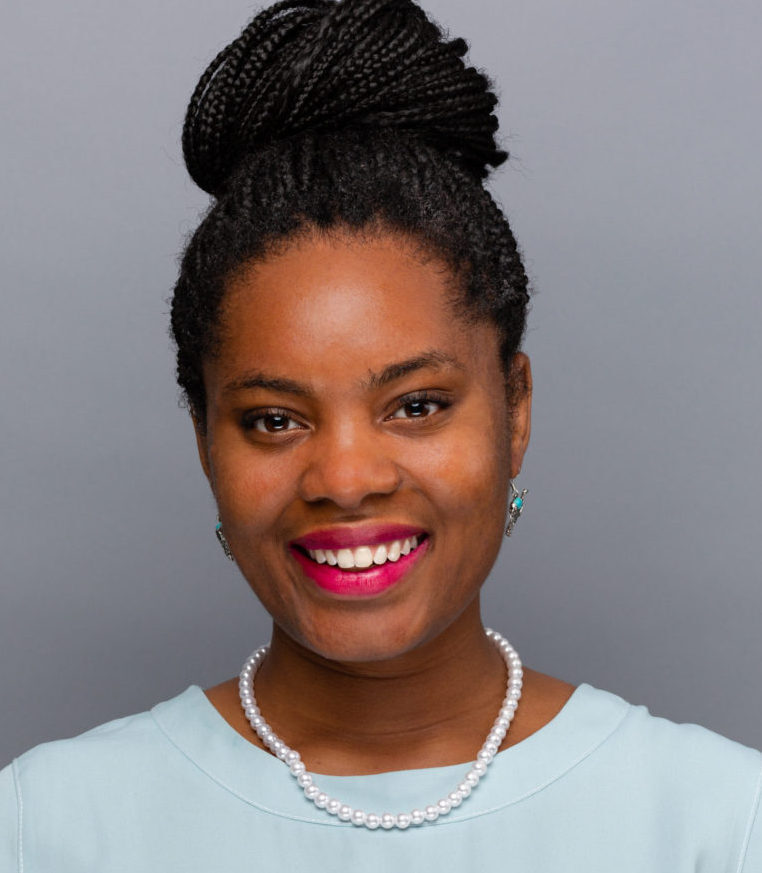
Jallicia Jolly is a scholar whose work explores the intersection of race, gender, sexuality and health in the lives of Black women. She recently completed her PhD in American studies at the University of Michigan with certification in Africa and African diaspora studies and women's studies. She will be continuing her academic career as a Research Fellow in American studies and Black studies at Amherst College.
Jolly earned her undergraduate degree from Williams College in Massachusetts in 2014, where she participated in the Mellon Mays Undergraduate Fellowship Program, a pipeline program that aims to increase diversity in the faculty ranks of institutions of higher learning. She was born in Kingston, Jamaica, and grew up in Flatbush, Brooklyn.
Her research is deeply rooted in community engagement and practical, hands-on work. Jolly's dissertation explores the sexual lives and grassroots politics of young Jamaican women living with HIV/AIDS and their impact on transnational feminist activism and public health. During her PhD studies, she worked as an HIV tester and counselor with the non-profit agency Gospel Against AIDS in Detroit, led by HIV activists Rosalind Andrews-Worthy, and Felix and Paula Sirls. This fieldwork allowed her to bridge academic research with community needs, observing firsthand how HIV management is connected to broader issues of poverty, unemployment, homelessness, inequality, hunger, and poor access to health care among Black women in Detroit.
Jolly is particularly interested in how HIV-positive Black women have organized throughout the Americas to advocate for policies that address the disease and access to resources. Her work highlights how these women have mobilized themselves and their communities to create support groups, access health resources, convene in public spaces to create communities of care, make demands on the state regarding public policy and health services, and connect activist communities to forge collective platforms for political recognition and social change.
Her research emphasizes that HIV activism for women of color, particularly Black women, often includes the formation of psycho-social support groups, culturally-informed resources, public space convening, demands on the state for better policies and healthcare access, and building collective platforms for change. She notes that decreases in support for social welfare, quality healthcare, and HIV prevention in communities of color have led to Black women remaining neglected in HIV public health interventions and funded research.
- 2019 Consortium for Faculty Diversity Fellowship at Amherst College
- 2019 Pettit Doctoral Fellowship at Yale University
- 2018 National Women's Studies Association's Graduate Scholarship
- 2018 Mary Croushore Graduate Fellowship of the Institute of the Humanities
- 2014 Fulbright Scholar Research Fellowship
- Mellon Mays Undergraduate Fellowship grants
Jolly's community-based approach to research demonstrates her commitment to bridging academic scholarship with practical community needs. Her work as an HIV tester and counselor in Detroit provided her with insights into the daily survival challenges faced by HIV-positive Black women, where managing HIV often takes a back seat to addressing immediate needs like housing, employment, and food security. This perspective has shaped her understanding of how health issues are interconnected with broader social and economic inequalities.
Her future work at Amherst College as a Research Fellow will likely continue to explore these themes, contributing to academic understanding of Black feminism, health disparities, and community-based activism. Jolly's research offers important insights for developing more effective public health interventions that address the complex realities of marginalized communities.