معرفی
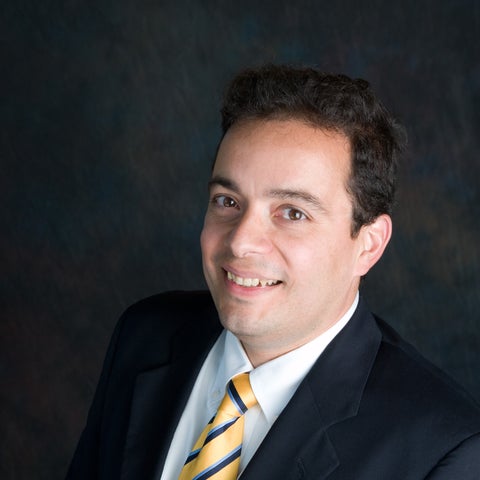
Jaime Vidaurrazaga serves as Assistant Professor of Theology and Religious Studies and Chair at Emmanuel College. A Peruvian-born scholar educated by Jesuits from elementary school through his doctorate, he represents the first generation of theologians shaped by Vatican II and the Medellin Conference's Latin American theological tradition. His work emphasizes historical context and social consequences of theological choices within faith communities.
His academic credentials include:
- Ph.D. from Boston College
- S.T.L. from Weston Jesuit School of Theology
- S.T.B. from Centro de Estudos Superiores da Companhia de Jesus, Brazil
- Lic. Phil. from Pontificia Universidad Catolica del Peru
- B.A. from E.S.P.F.L. Antonio Ruiz de Montoya, Peru
Vidaurrazaga's research centers on Scripture-liturgy-ethics integration, particularly through baptismal rites and Pauline theology (Romans 6, Galatians 3), with additional focus on Catholic Social Teaching, Liberation Theology, and theology's role in liberal arts education. His Latin American theological heritage informs his analysis of how liturgical practices transform moral relationships within Christian communities.
His 2009 book chapter on baptismal ethics exemplifies his scholarly trajectory, connecting ritual initiation to communal morality formation. This work reflects consistent engagement with patristic sources like John Chrysostom while addressing contemporary theological challenges in ethics and social justice.
Professional recognition includes:
- Flatley Fellowship (2003-2007): Endowed ethics fellowship at Boston College Theology Department
Vidaurrazaga champions student-driven learning in courses like Liberation Theology and The Bible in Art, encouraging diverse perspectives and research linking theology to students' personal and professional interests. His community presentations on Catholic social teaching, biblical interpretation, and church history demonstrate active public engagement beyond campus. As a committed Emmanuel College advocate, he views the institution's mission as integral to his vocation as both scholar and agent of social change.