معرفی
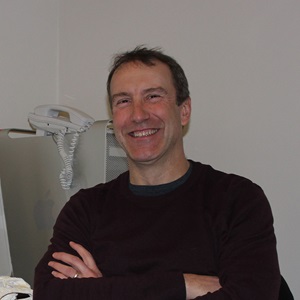
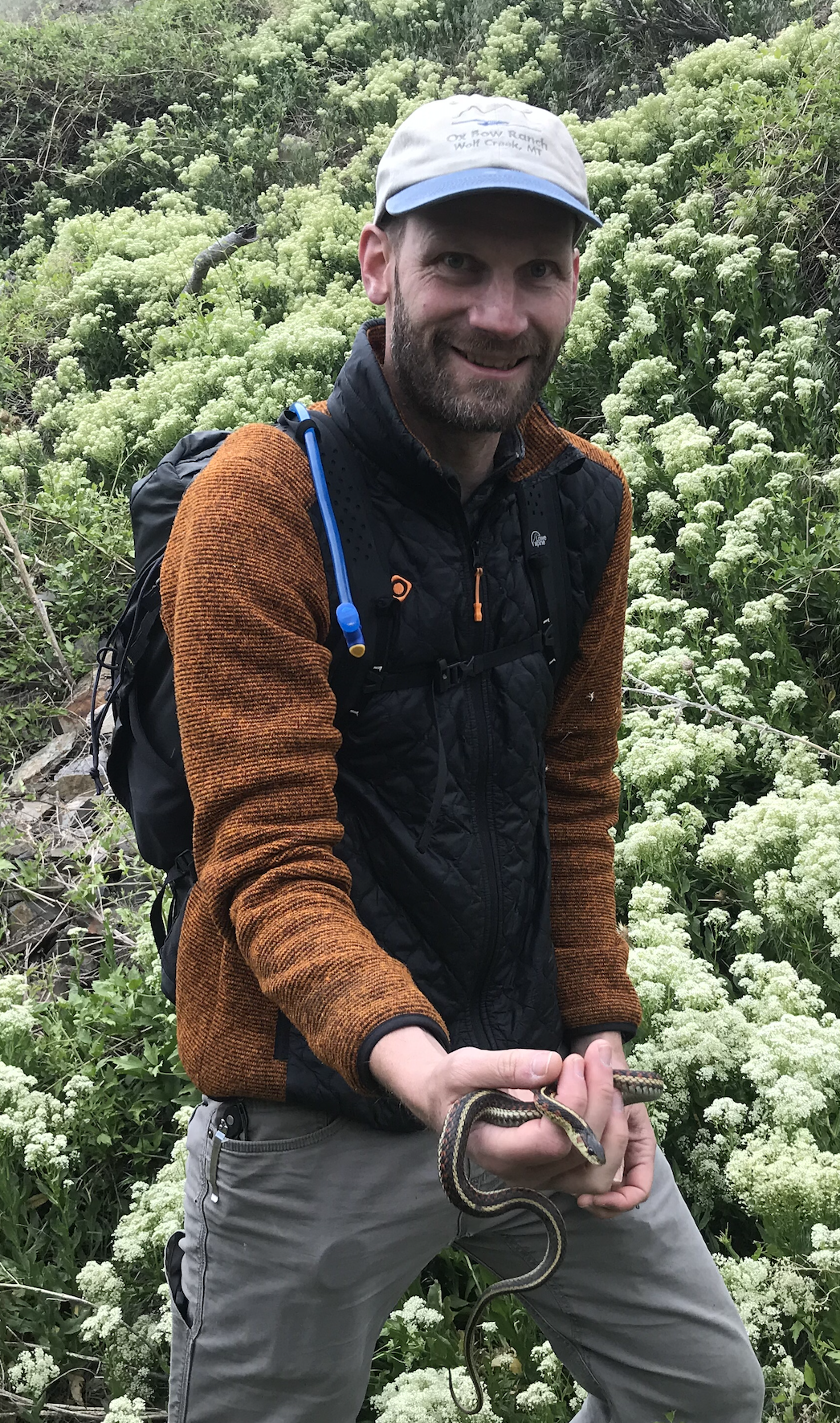
Jack Sullivan is a Professor in the Department of Biological Sciences within the College of Science at the University of Idaho. He maintains significant interdisciplinary affiliations as an Affiliate Faculty member at the Center for Research on Invasive Species and a Member of the Initiative for Bioinformatics and Evolutionary Studies at the Institute for Interdisciplinary Data Sciences.
His academic credentials include:
- PhD in Ecology and Evolutionary Biology from the University of Connecticut (1995)
- MS in Zoology from the University of Vermont (1990)
- BA in Zoology from the University of Vermont (1985)
Professor Sullivan's research integrates Bioinformatics, Molecular Biology, and Biochemistry to investigate evolutionary processes across diverse biological systems. His work emphasizes Cellular and Molecular Biochemistry, Microbiology, and broad Biological Sciences frameworks, with particular focus on genomic approaches to understanding speciation, adaptation, and historical biogeography in North American taxa. He pioneers methodologies in phylogeography and population genomics, frequently employing whole-genome sequencing to unravel complex evolutionary histories shaped by Pleistocene glaciations and ecological niche dynamics.
Analysis of his 15 most recent publications (2021-2025) reveals a dominant focus on comparative phylogeography and population genomics of North American species, especially rodents, snails, and plants. His research consistently addresses how historical climate change, glacial refugia, and secondary contact events drive genetic diversification. A growing methodological emphasis appears in bioinformatic approaches for reduced-representation sequencing and phylogenomic analysis, while taxonomic work spans microbial communities (Methylobacterium), vertebrates (chipmunks, bears), and invertebrates (microsnails).
No scientific awards, fellowships, or medals were documented in the available sources.
Information regarding graduate student mentorship and specific grant funding mechanisms was not provided in the source materials, though his extensive publication record suggests active research supervision and external funding support.
His collaborative research environment is anchored through the Center for Research on Invasive Species and the Initiative for Bioinformatics and Evolutionary Studies, facilitating cross-disciplinary work in evolutionary genomics, invasive species biology, and computational approaches to biodiversity analysis.