معرفی
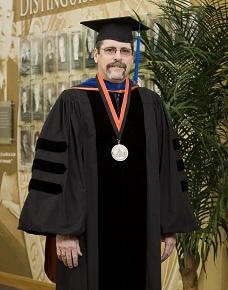
Paul A. Hohenlohe is a Professor in the Department of Biological Sciences within the College of Science at the University of Idaho, where he serves as Director of the Bioinformatics and Computational Biology Graduate Program. He holds additional affiliations as a Member of the Initiative for Bioinformatics and Evolutionary Studies and as Participating Faculty in the Institute for Modeling Collaboration and Innovation, both through the Office of Research and Economic Development.
Dr. Hohenlohe earned his PhD in Zoology from the University of Washington in 2000 and his BA in Biology from Williams College in 1994. His research integrates genomic approaches with conservation biology to address critical wildlife management challenges. His work bridges theoretical evolutionary genetics with practical conservation applications, ensuring scientific findings inform management decisions for threatened species.
Dr. Hohenlohe's research program focuses on applying genomic tools to conservation challenges. His lab utilizes techniques including Restriction site-Associated DNA sequencing (RADseq) and whole-genome sequencing, combined with bioinformatics and mathematical modeling rooted in evolutionary genetics theory. Current projects address adaptation to changing environments, population structure and phylogeography, disease resistance, inbreeding, the genetic basis of complex phenotypes, hybridization, and population history in threatened species. Specific research includes bulltrout adaptation, predator-prey systems responding to climate change, pygmy rabbit populations, trout hybridization, and burrowing owl adaptation.
Analysis of Dr. Hohenlohe's recent publications reveals a strong emphasis on wildlife genomics applications to conservation, with particular focus on threatened species monitoring and methodological advances in population genomics. A significant portion of his work addresses the impact of transmissible cancers in Tasmanian devils, demonstrating the application of genomic approaches to wildlife disease ecology. His research also highlights innovative methods in genetic monitoring, including non-invasive sampling techniques and GT-seq panels for threatened species, often incorporating both microsatellite and SNP-based approaches.
Dr. Hohenlohe has mentored numerous graduate students to completion of their degrees across Bioinformatics and Computational Biology, Natural Resources, and Biology programs. His lab maintains active collaborations with conservation practitioners, including the National Genomics Center for Wildlife and Fish Conservation and US Fish & Wildlife Service, ensuring scientific findings translate to actionable conservation strategies. Current research projects span multiple threatened species across diverse taxa, reflecting the broad applicability of genomic approaches to conservation challenges.
The Hohenlohe lab operates within the Department of Biological Sciences at the University of Idaho, collaborating with researchers across multiple institutions including the US Forest Service and international partners. The lab maintains a strong focus on developing and applying bioinformatics tools for population genomic analysis, contributing to software such as Stacks while advancing methodological approaches for conservation genomics.