معرفی
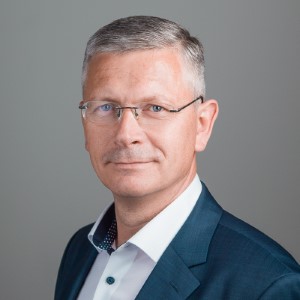
Ivars Kronis is an Assistant Professor at the Faculty of Social Sciences, University of Latvia. He holds a doctoral degree in law (Dr. iur.) and is an active researcher in legal theory, civil procedure, and housing law. His scholarly work intersects with human rights, social class, and the influence of religion on legal systems, particularly through the lens of Max Weber’s theory of law.
His research interests center on the normative foundations of law, legal protection mechanisms, and the practical application of civil law in Latvia. Key areas include residential tenancy rights, the principle of legality in civil procedure, and the legal status of subterranean resources. His work contributes to the United Nations Sustainable Development Goal 4 (Quality Education), reflecting his commitment to legal scholarship and education.
The recent publications and conference contributions by Ivars Kronis reveal a strong focus on translating legal theory into practical frameworks, especially in housing and civil justice. His works span historical, philosophical, and contemporary legal issues, demonstrating interdisciplinary engagement with sociology, religion, and public policy. He frequently publishes in open-access venues and participates in academic discourse through presentations and peer-reviewed outputs.
He serves as an expert in the field of Law (Field 5.5) for the Latvian Council of Science from 2024 to 2027, affirming his recognized expertise. While no formal awards are listed, his sustained scholarly output and national engagement highlight his growing influence in Latvian legal academia.
Ivars Kronis has supervised at least two academic works, indicating his role in mentoring students. His research collaborations, particularly with K. Zariņš and K. Piģēns, reflect active scholarly networks. He contributes to academic discourse through conference presentations, such as his 2024 talk on seasonal rental exclusions in housing law.
His research is embedded in the Latvian legal context but engages with broader European and theoretical frameworks. He is affiliated with institutional networks that support legal scholarship and interdisciplinary social sciences research, contributing to both national and international academic dialogues.