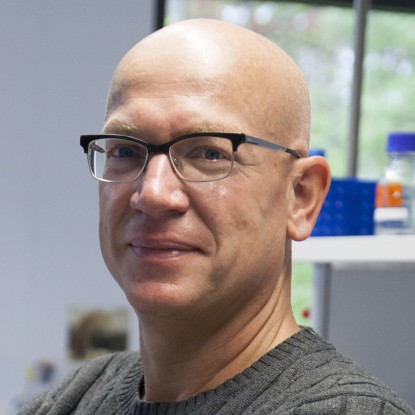
معرفی
Ivan Kempson serves as an Associate Professor in Biophysics at the Future Industries Institute, University of South Australia, based at the Mawson Lakes Campus. His research spans multiple disciplines at the intersection of nanotechnology, radiation biology, and cancer therapy, with strong connections to the School of Pharmacy and Medical Sciences and UniSA Allied Health and Human Performance.
Professor Kempson's research focuses on nanoparticle applications in cancer therapy, particularly gold nanoparticle radiosensitization mechanisms. His work investigates how nanoparticles interact with biological systems to enhance radiation therapy effectiveness while minimizing damage to healthy tissues. Key areas include DNA damage and repair mechanisms, metabolic reprogramming in cancer cells, and developing novel imaging techniques to study nanoparticle-cell interactions at the single-cell level. His research bridges fundamental biophysics with clinical applications, aiming to improve cancer treatment outcomes through nanotechnology.
Analysis of Professor Kempson's recent publications reveals a strong focus on nanoparticle-mediated radiosensitization, with particular emphasis on gold nanoparticles' effects on DNA repair mechanisms in cancer cells. His work combines advanced imaging techniques like fluorescence lifetime imaging and mass spectrometry with biological assays to understand the complex interactions between nanoparticles and cellular processes. Recent publications show increasing sophistication in methodology, including the development of 3D printed microtissue cassettes for high-throughput radiobiological assays and analytical approaches to separate nanoparticle signals from biological signals in complex cellular environments.
As a Research Degree Supervisor, Professor Kempson mentors students in the interdisciplinary field of biophysics and nanomedicine. His research has been supported by grants including ARC DP190102119 and collaborations with Microscopy Australia, indicating significant research infrastructure support. His work involves extensive collaboration across multiple institutions in Australia and internationally, demonstrating the interdisciplinary nature of his research.
Professor Kempson's laboratory work focuses on developing and applying advanced imaging and analytical techniques to study nanoparticle interactions with biological systems. His team employs cross-correlative single-cell analysis methods, fluorescence lifetime imaging, and specialized assays for DNA damage quantification. Current research directions include improving proton therapy through better understanding of relative biological effectiveness and developing novel approaches to overcome chemoresistance using natural compounds like capsaicin.