معرفی
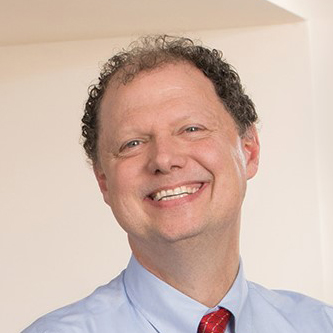
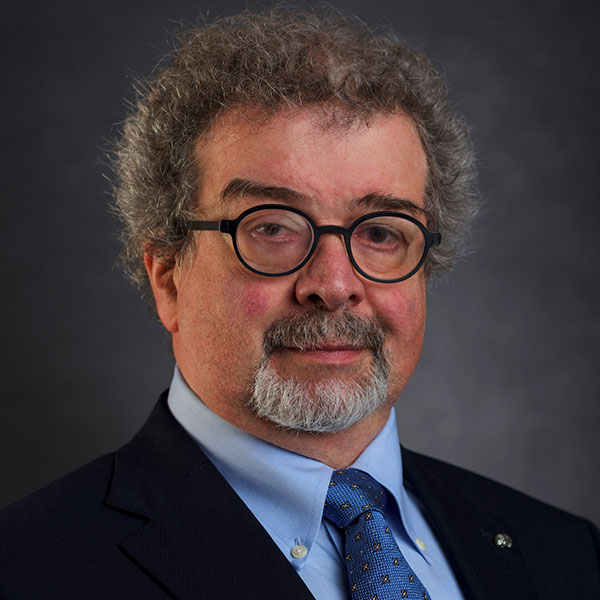
Israel Liberzon, MD, is a Distinguished University Professor and founding Chair of the Department of Psychiatry and Behavioral Sciences at Texas A&M University. He previously held endowed professorships at the University of Michigan, where he established the PTSD program at the Ann Arbor VAMC. His research focuses on neurobiological mechanisms of stress and PTSD, integrating neuroimaging, genetics, and neuroendocrine approaches. He leads major consortia like ENIGMA-PTSD and has pioneered translational studies in trauma-related disorders. Dr. Liberzon has secured continuous NIMH, VA, and DoD funding, published over 320 papers, and mentored numerous academic leaders.
Education: MD from Sackler School of Medicine, Tel Aviv University (1986).
Research Interests: Functional neuroimaging of emotional processing, stress dysregulation pathways, and development of PTSD biomarkers. His work explores neural circuits underlying fear extinction, HPA axis dysfunction, and cortico-limbic connectivity disruptions in trauma survivors. He employs both human neuroimaging and preclinical models to bridge translational gaps.
Key Contributions: Developed predictive models for PTSD using machine learning (ENIGMA consortium), identified novel DNA methylation biomarkers, and pioneered morning light therapy for amygdala reactivity reduction. His work established that early neurocognitive assessments predict chronic PTSD risk with 80% accuracy.
Grants & Leadership: Holder of multiple NIMH R01 grants, VA Merit awards, and DoD contracts. Directed the Psychiatric Affective Neuroimaging Lab and Stress Neurobiology Laboratory. Currently leads Texas Youth Depression and Suicide Research Network (TX-YDSRN).
Labs/Teams: Heads Texas A&M's PTSD neuroimaging program and collaborates with Ohio Army National Guard Mental Health Initiative. Coordinates ENIGMA-PGC consortium for large-scale PTSD imaging studies.