معرفی
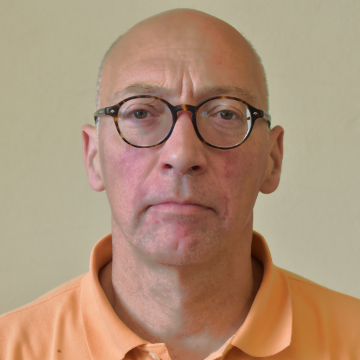
Inger Skrede is a Professor in the Section for Genetics and Evolutionary Biology at the University of Oslo's Faculty of Mathematics and Natural Sciences. Her research spans fungal evolutionary biology, population genomics, and fungal ecology, with particular focus on speciation mechanisms and wood decay processes.
Skrede's research interests center on fungal evolution and ecology, with emphasis on speciation mechanisms in Trichaptum abietinum, evolutionary processes leading to functional transitions like efficient wood decay and ectomycorrhizal symbiosis, and brown rot decay in Serpula lacrymans. She also investigates fungal systematics in the ascomycete family Helvellaceae, fungal diversity in built environments, responses to modified wood, and conservation biology of rare fungal wood decay species. Her work integrates population genomics, comparative genomics, and phylogenetic approaches to understand evolutionary processes in fungi.
Analysis of her recent publications reveals a strong focus on fungal genomics and ecology, with particular attention to how fungi adapt to different environments including built structures and forest ecosystems. Her research demonstrates how genomic tools can illuminate speciation mechanisms, adaptive processes, and the ecological roles of fungi in diverse habitats ranging from natural forests to human-built environments.
Skrede leads multiple research projects including Characterization of yeast biodiversity from Oslo and Kveik beer, Effects of polyploidization during adaptive evolution in yeasts (PloidYeast), Fungal Conservation Genetics, and The genomic and physiological basis of invasiveness in a harmful house-invader (InHouse). She is actively involved with the Centre for Integrative Microbial Evolution (CIME) and the Oslo Mycology Group (OMG), contributing to collaborative research efforts in fungal biology and evolution.