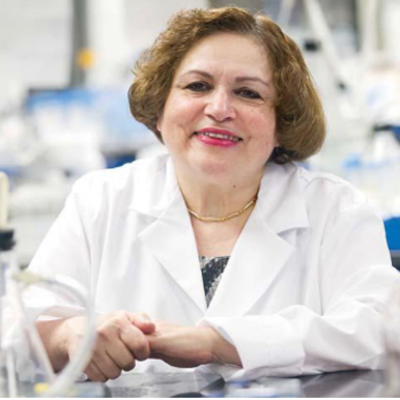
Ilker Sariyer
دانشیار · Molecular regulation of alternative pre-mRNA splicing
Temple Universityمعرفی
Ilker Sariyer is an Associate Professor at Temple University's Lewis Katz School of Medicine with dual appointments in the Department of Microbiology, Immunology and Inflammation. He also serves as an Associate Professor at both the Center for Neurovirology & Gene Editing and the Comprehensive NeuroAIDS Center. His email contact is ilker.sariyer@temple.edu and direct phone number is 215 707-6337.
- PhD, Biomedical Sciences, Temple University School of Medicine, Philadelphia, PA, 2011
- DVM, Selcuk University, School of Veterinary Medicine, Konya, Turkey, 2000
Dr. Sariyer's research program focuses on understanding the molecular regulation of alternative pre-mRNA splicing and RNA editing in normal and pathologic conditions associated with neuronal degenerative disorders and neurotropic viral infections. His work spans several major areas including Progressive Multifocal Leukoencephalopathy (PML), Neuro-HIV, Fetal Alcohol Syndrome (FAS), and opioid dependence. He has developed innovative primary human neuronal culture models using neurospheres (hNSPs), neural progenitors (hNPCs), immature neurons, and mature neurons from fetal brain tissues to study alcohol's effects on neuronal development. His HIV research investigates how viral proteins like Nef are released in extracellular vesicles from infected glia, leading to neuronal toxicity and cognitive impairment.
Dr. Sariyer's recent publications demonstrate a strong trajectory in neurovirology and molecular neuroscience, with increasing emphasis on advanced gene editing techniques like CRISPR-Cas9 and sophisticated cell culture models including 3D brain organoids. His work bridges virology, neuroscience, and molecular biology to understand how viral infections and substance abuse impact neurological function, with implications for therapeutic interventions in neurodegenerative conditions.
While specific awards are not listed in the available information, his active research program and numerous publications suggest recognition within his field.
Dr. Sariyer leads an active research laboratory investigating the molecular mechanisms underlying neurological complications of viral infections and substance abuse. His work appears to involve collaboration with multiple researchers across disciplines, as evidenced by his co-authorship on numerous publications. His research is likely supported by NIH or similar funding mechanisms given the nature of his work on HIV, JC virus, and substance abuse neurotoxicity.
His laboratory work is centered at the Center for Neurovirology & Gene Editing and the Comprehensive NeuroAIDS Center at Temple University, suggesting he works with interdisciplinary teams focused on neurological complications of viral infections. His research employs a range of techniques from molecular biology to advanced cell culture models, including primary human neuronal cultures and brain organoids.