معرفی
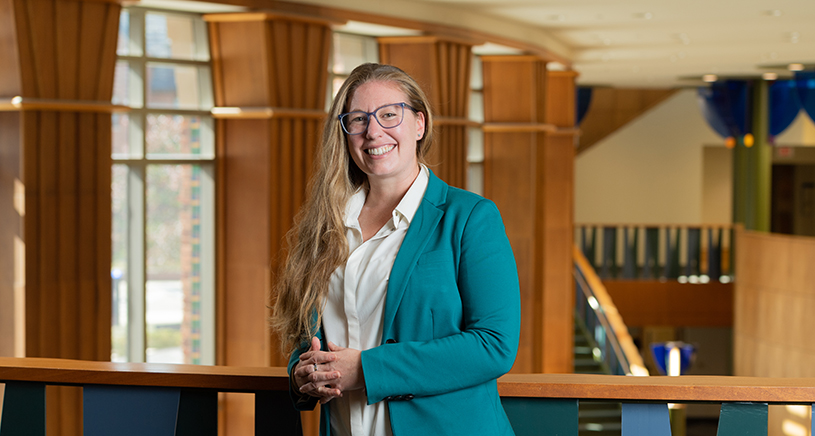
Igor Akushevich is a Research Professor at Duke University's Social Science Research Institute, specializing in population health sciences with a focus on aging, longevity, and health disparities. His interdisciplinary work integrates genetic, epidemiological, and environmental data to address critical questions in gerontology and public health.
Education:
- Ph.D., The National Academy of Sciences of Belarus (Republic of Belarus), 1995
Dr. Akushevich's research examines genetic determinants of human longevity, disease trajectory patterns in aging populations, and environmental health disparities. He employs advanced statistical methods on large-scale datasets including Medicare claims and longitudinal cohort studies like the Long Life Family Study. His work frequently addresses racial, geographic, and socioeconomic dimensions of health outcomes in older adults, with particular emphasis on Alzheimer's disease, diabetes, and cancer epidemiology.
Analysis of his 2018 publications reveals consistent focus on methodological innovation in handling incomplete data, disease comorbidity patterns, and environmental exposures. Key themes include genetic heterogeneity in neurodegenerative diseases, temporal trends in chronic conditions, and community-level health impacts from industrial agriculture and chemical pollutants.
Dr. Akushevich currently leads multiple major research initiatives:
- Environmental and health impacts of PFAS in North Carolina (NC Department of Environmental Quality, 2025-2027)
- Leveraging population data for Alzheimer's-infection mechanisms (NIH, 2021-2026)
- The Long Life Family Study (Washington University, 2019-2026)
- Racial/geographic disparities in Alzheimer's outcomes (NIH, 2019-2025)
His grant portfolio demonstrates sustained NIH funding for health disparities research using innovative analytic approaches on aging populations. At Duke, he contributes to the Social Science Research Institute's mission through computational epidemiology and cross-institutional collaborations focused on translating population data into actionable health insights.