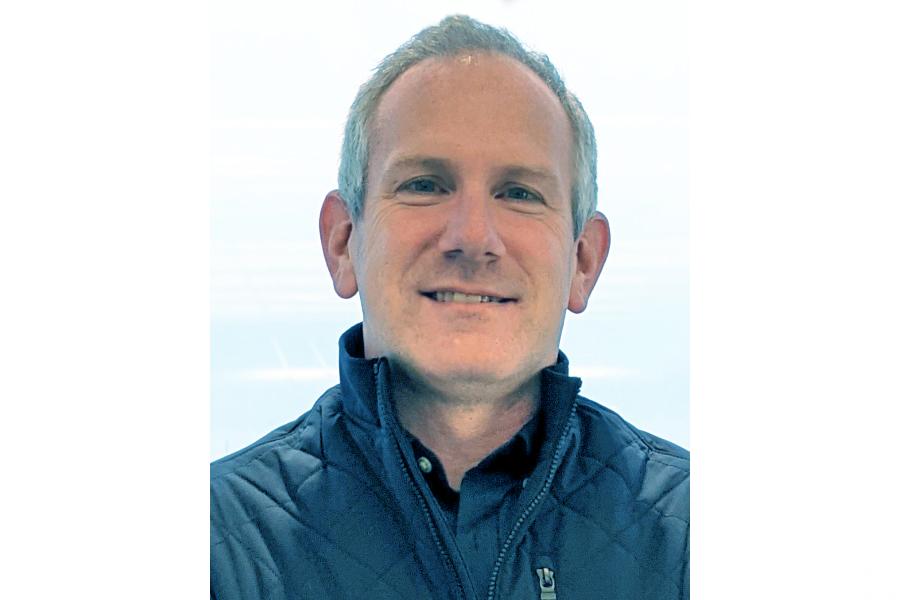
Hung Wen Lin
استاد · Neurovascular coupling
The University of Texas Health Science Center at Houstonمعرفی
Dr. Hung Wen Lin is a Professor and Associate Director of the BRAINS Research Laboratory at the University of Texas Health Science Center at Houston. With over 20 years of dedicated research in neurovascular biology, he has established himself as a leading expert in cerebral vasculature mechanisms related to stroke and neurodegenerative diseases.
His academic journey includes:
- BS in Biochemistry from the University of Wisconsin-Madison
- PhD in Pharmacology from Southern Illinois University School of Medicine
- Postdoctoral training in Neurology at the University of Miami
- Faculty positions at the University of Miami and LSU Health Shreveport (where he rose to Associate Professor of Neurology)
Dr. Lin's research focuses on neurovascular coupling and the blood-brain barrier in ischemia/stroke and Alzheimer's disease. He has dedicated extensive work to investigating protein arginine methyltransferases in the central nervous system, with implications for mitochondrial function, inflammation regulation, and functional/behavioral deficits. His laboratory employs advanced techniques including intra-vital two-photon microscopy to study brain injury and the neurovascular unit, building on his fascination with blood vessels that began during his undergraduate studies.
Analysis of his recent publications (2019-2023) reveals a cohesive research trajectory exploring the connections between the heart and brain through fatty acid metabolism and protein modifications. His work spans from fundamental molecular mechanisms involving protein arginine methyltransferases to translational applications in multiple neurological conditions, demonstrating consistent productivity and scientific impact.
Dr. Lin has successfully mentored numerous researchers, including 3 AHA Career Development Awardees, 3 AHA postdoctoral fellows, and 2 AHA predoctoral fellows. His commitment to training is evident in his biography where he notes enjoying 'training and providing mentorship to pre/post-doctoral fellows and junior faculty' despite initially not expecting to enjoy this aspect of academia.
The BRAINS Research Laboratory serves as a comprehensive research hub with focus areas in:
- Neurovascular coupling mechanisms in health and disease
- Protein arginine methyltransferases in CNS function and pathology
- Stroke and ischemic brain injury mechanisms
- Alzheimer's disease and vascular contributions to dementia
- Fatty acid metabolism in neuroprotection
- Mitochondrial function in neurological conditions