معرفی
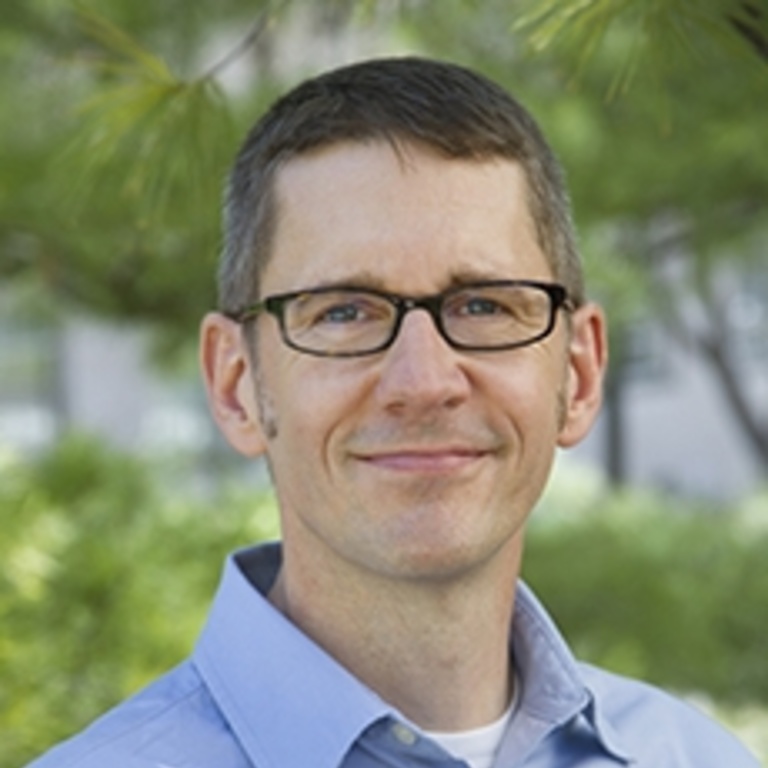
Howard Egeth is a Professor in the Department of Psychological and Brain Sciences at Johns Hopkins University, where he leads the Attention and Perception Lab. His research focuses on the cognitive and neural mechanisms of visual attention, with a particular emphasis on how attentional selectivity is achieved through the inhibition of distractors rather than enhancement of targets. He is affiliated with the Cognitive and Computational Neuroscience training program and the Neuroscience Training Program at Johns Hopkins.
His research interests include:
- Visual attention and attentional selectivity
- Preattentive vision and perception outside the focus of attention
- Distractor inhibition and suppression mechanisms
- Role of learning in ignoring distractions
- Attentional capture by reward- and food-related stimuli
- Attention in clinical populations (ADHD, autism)
His recent publications reveal a strong trend in understanding the neural and behavioral underpinnings of attentional control, particularly how salient but irrelevant stimuli are suppressed. Using EEG/ERP and behavioral paradigms, his work bridges cognitive theory with neuroscientific data, often in interdisciplinary collaborations with the School of Medicine, Bloomberg School of Public Health, and Kennedy Krieger Institute. Key themes include the role of inhibition in attention, the flexibility of top-down control, and the impact of motivation (e.g., food reward) on attentional capture.
Scientific contributions and recognition:
- Extensive publication record in top journals including Psychological Science, Journal of Cognitive Neuroscience, and Attention, Perception, & Psychophysics
- Contributions to theoretical debates in attention (e.g., enhancement vs. inhibition)
- Collaborative research on clinical populations and real-world attentional phenomena
He mentors graduate and undergraduate researchers, fostering interdisciplinary collaboration. His lab engages in studies involving behavioral experiments, eye tracking, and neuroimaging. While specific grant details are not listed, his ongoing research with clinical and public health teams suggests active funding. He maintains strong institutional ties across Johns Hopkins, including the Zanvyl Krieger Mind/Brain Institute and the F.M. Kirby MRI Center.
حوزههای پژوهشی