معرفی
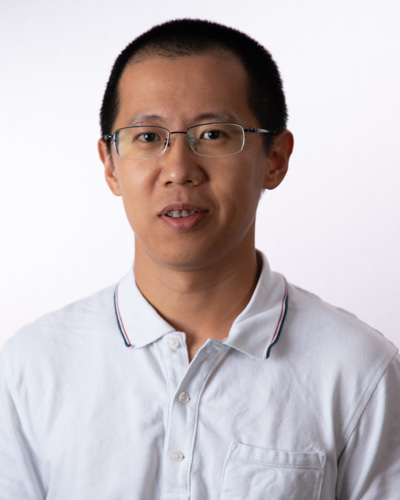
Henry Duwe is an Affiliate Assistant Professor at Iowa State University, specializing in energy-efficient computing systems and embedded systems design. His research focuses on batteryless intermittent systems, energy harvesting, and low-power hardware architectures. He has contributed to the development of frameworks for dependable computing in resource-constrained environments and explores intersections between design thinking and engineering education.
His work includes pioneering studies on lifecycle management protocols for batteryless networks, RF energy harvesting systems, and neuromorphic accelerators. Notably, he received the NSF CAREER Award (2022) for advancing intelligent computing on batteryless devices. Duwe also investigates pedagogical methods such as design thinking to enhance course design in computer engineering, addressing challenges in interdisciplinary education and student skill development.
Key areas of exploration include: batteryless networks, neural architecture search for energy-constrained devices, hardware-software co-design, and debugging methodologies in engineering curricula. His publications span both technical innovations in embedded systems and educational strategies for effective learning.
Recent projects include the PAIL protocol for robust coordination in batteryless systems (2025) and the Lure simulator for intermittent networks (2024). His research bridges theoretical advancements with practical applications in low-power computing and sustainable energy solutions.
Awards and grants include the NSF CAREER Award (2022), which supports his work on dependable intelligent computing systems. His contributions also extend to educational innovations like persona-based course design and reflective learning activities in engineering education.