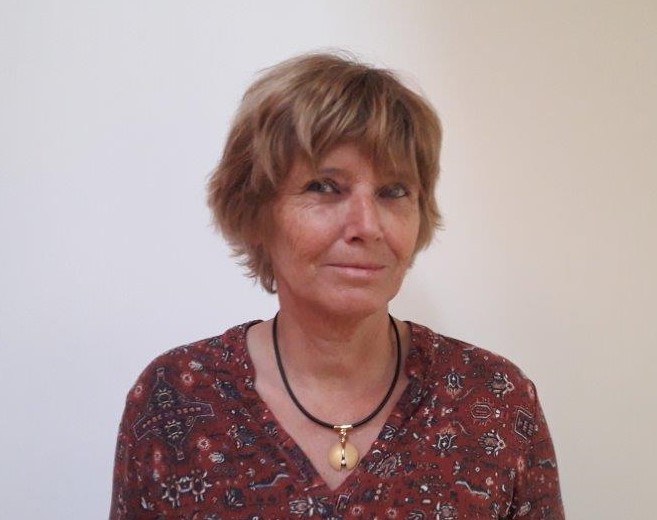
Helene Loevenbruck
استاد پژوهشی · Neurophysiological substrates of language
Grenoble Alps Universityمعرفی
Helene Loevenbruck is a Research Director at the French National Center for Scientific Research (CNRS) working at the Laboratory of Psychology and NeuroCognition (LPNC) at University of Grenoble Alpes. She leads the Language team at LPNC since October 2017 and has been actively contributing to cognitive science research for over two decades. Her work bridges experimental research with practical applications in speech rehabilitation and language development.
Her research focuses on three main axes: the regulation of endophasia (inner speech), language development in typical and atypical conditions, and remediation of speech disorders. She developed the ConDialInt neurocognitive model which describes condensation, dialogality, and intentionality dimensions of inner speech. Her work spans from theoretical frameworks to applied research with clinical populations including children with cochlear implants, individuals with aphasia, and those experiencing atypical inner speech phenomena.
Dr. Loevenbruck's publications reveal a strong focus on the intersection of neuroscience, linguistics, and cognitive psychology, with particular emphasis on how inner speech functions in both typical and clinical populations. Her research demonstrates how inner speech mechanisms relate to broader cognitive processes including self-reflection, memory, and consciousness.
She has supervised multiple PhD students including Lucie Van Bogaert (working on cochlear implants), Claire Boilley (focusing on intellectual development disorders), and Téo Pesci (studying verbal inner speech in auditory verbal aphantasia). Her research has been supported by numerous ANR and European projects including InnerSpeech, EULALIES, HearCog, and Comm4CHILD.
Dr. Loevenbruck is also active in science communication, having published the popular science book "Le mystère des voix intérieures" (The Mystery of Inner Voices) in 2022 and appearing in numerous media outlets including France Culture, The Guardian, and Science & Vie to discuss inner speech phenomena.