معرفی
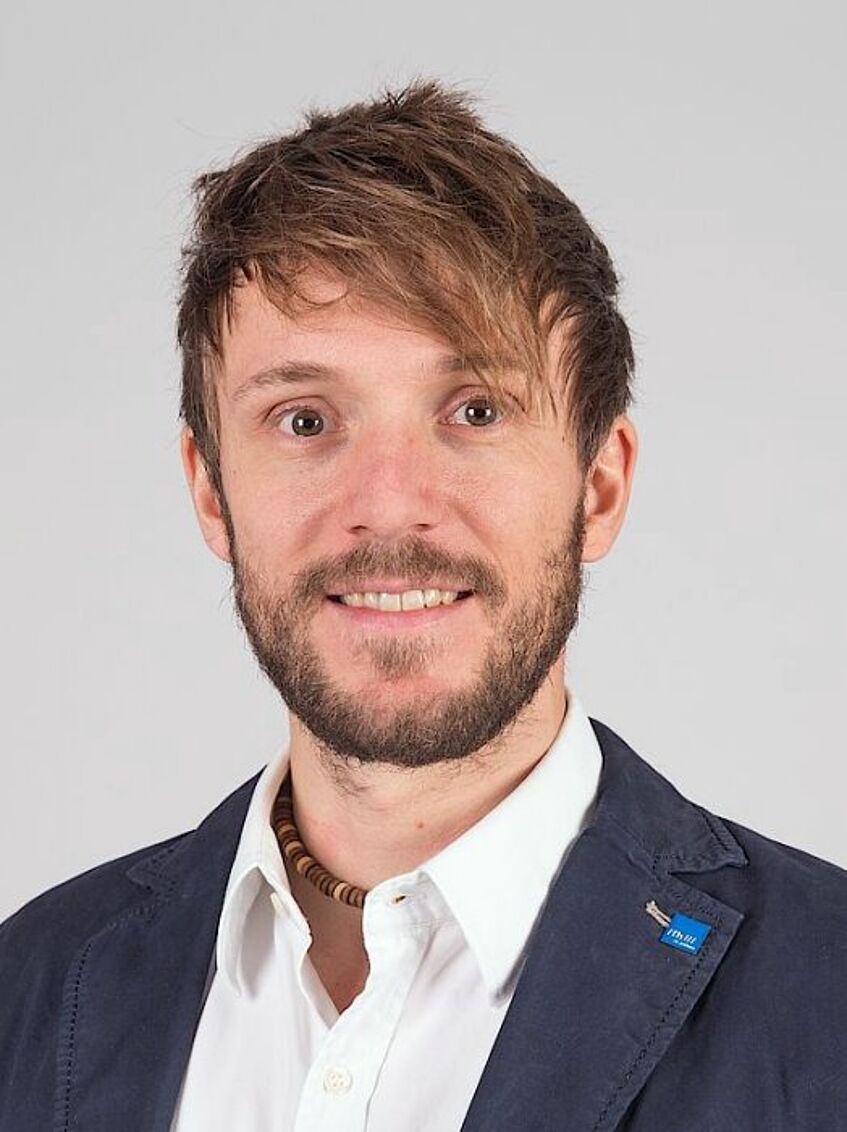
Hans Kainz is an Associate Professor at the University of Vienna, where he serves as Head of the Neuromechanics Research Group within the Institute of Sport Science, Faculty of Life Sciences. His research focuses on neuro-musculoskeletal and multi-scale simulations to enhance understanding of typical and pathological movements, with the goal of improving clinical decision making and evidence-based motor rehabilitation for people with movement disorders.
Dr. Kainz completed his PhD at Griffith University Centre for Musculoskeletal Research in Australia (2013-2017) and served as a Research Associate at KU Leuven in Belgium (2017-2020) before joining the University of Vienna in 2020. His academic journey reflects a strong foundation in biomechanics and movement science.
His research spans biomechanics, neuromechanics, motion analysis, gait analysis, rehabilitation science, and sport biomechanics. Dr. Kainz employs advanced computational modeling techniques to study movement patterns in both healthy individuals and those with conditions like cerebral palsy, patellofemoral instability, and other movement disorders. His work frequently integrates medical imaging with biomechanical modeling to create personalized simulations.
Analysis of Dr. Kainz's recent publications reveals a strong emphasis on personalized musculoskeletal modeling, the impact of bone geometry on joint loading, muscle force dynamics during various activities, and the development of computational tools to enhance biomechanical analysis. His research has significant clinical applications, particularly in pediatric orthopedics and rehabilitation.
- ESB Clinical Biomechanics Award 2020: For work on pelvis and hip movement strategies in relation to femoral growth
Dr. Kainz leads a research group that collaborates with clinicians and researchers internationally to translate biomechanical findings into clinical practice. His teaching portfolio includes courses on biomechanics, movement analysis, and sports science. The Neuromechanics Research Group (https://neuromechanics.univie.ac.at/) continues to develop and apply advanced computational techniques to address fundamental biomechanical questions and clinically relevant applications.