معرفی
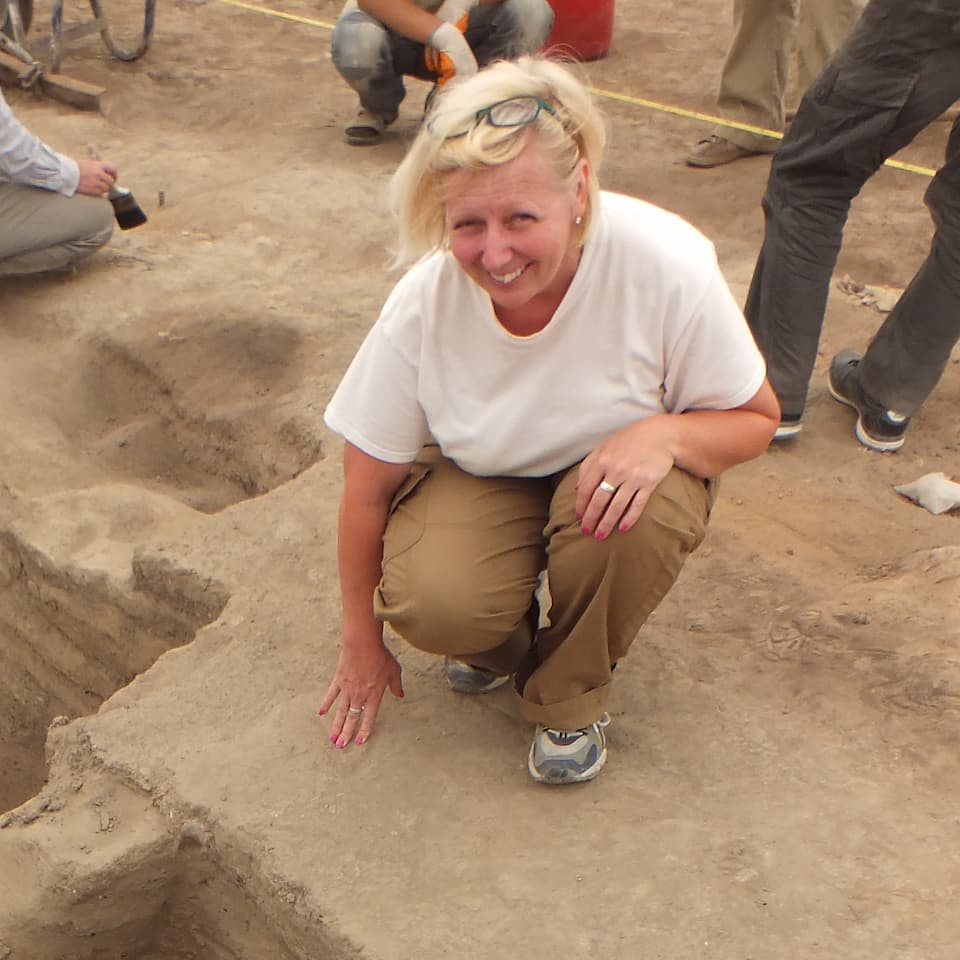
Hannah Koon is an Associate Professor in the School of Archaeological & Forensic Sciences at the University of Bradford, within the Faculty of Life Sciences. Her research focuses on collagen chemistry, biomolecular archaeology, and the application of advanced analytical techniques such as electron microscopy (TEM), stable isotopes, and proteomics to study archaeological bone. She has pioneered methods to detect cooked bone and sub-clinical scurvy in skeletal remains, with notable collaborations including English Heritage, the US Armed Forces DNA Laboratories, and Harvard University's Tuross lab.
Her work integrates interdisciplinary approaches to address questions about past diets, health, and environmental interactions. Key contributions include the 'link-lock' hypothesis explaining collagen stabilization and the identification of biomarkers for infantile scurvy through mass spectrometry. She has secured major grants, including a Wellcome Research Fellowship, and her research has been featured in National Geographic documentaries.
- Research Themes: Taphonomy, paleopathology, bioarchaeology, isotope analysis
- Key Collaborations: English Heritage, British School of Leather Technology, Harvard University
- Methodological Expertise: TEM imaging, amino acid racemisation, proteomics
Hannah has published extensively on collagen degradation mechanisms, dietary reconstruction, and population mobility. Her recent projects explore seasonal migration patterns using combined isotopic and proteomic analyses of archaeological collagen.
- Awards: Wellcome Research Fellowship
- Grants: NERC-funded PhD research, Wellcome Trust
Her lab at the University of Bradford supports interdisciplinary studies in archaeological science, emphasizing practical applications of molecular techniques for understanding human-environment interactions in the past.