معرفی
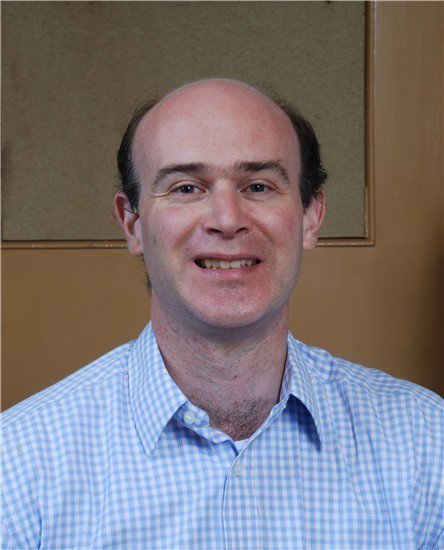
Dr Hamish Hei-Man Yeung serves as Associate Professor in Materials Chemistry at the University of Birmingham's School of Chemistry, where he leads research on advanced functional materials. His work bridges synthetic chemistry, crystallography, and materials physics to develop novel substances for energy storage, electronics, and sensing applications.
His academic background includes:
- PhD in Materials Science, University of Cambridge (2012)
- BA/MSci in Natural Sciences, University of Cambridge (2008)
Dr Yeung's research program centers on materials formation mechanisms and structure-property relationships, with particular expertise in crystallographic characterization. Key focus areas include:
- Metal-organic frameworks (MOFs) for energy storage and chemical sensing
- Hybrid organic-inorganic perovskites exhibiting ferroelectricity
- Molecular conductors under high-pressure conditions
- In situ experimental techniques for real-time materials observation
His recent publications (2019-2024) reveal a strong emphasis on dynamic materials behavior and structural control, particularly through advanced crystallographic methods. Research trends show increasing focus on time-resolved studies of MOF formation and symmetry-breaking phenomena in perovskites, with significant contributions to understanding nucleation pathways and field-responsive properties.
Dr Yeung holds professional memberships including:
- Member of the Royal Society of Chemistry (MRSC)
- Member of the Institute of Physics (MInstP)
He actively serves on the Diamond Light Source Peer Review Panel (chair since 2021) and the British Crystallographic Association. Current research projects funded by EPSRC, Royal Society, and Royal Society of Chemistry include:
- Formation of metal-organic frameworks (EPSRC, UoB)
- Pre-nucleation behaviour of MOFs (Royal Society)
- Discovery of hybrid perovskite ferroelectrics (RSC)
- Electric field-induced distortions in perovskites (Diamond Light Source)
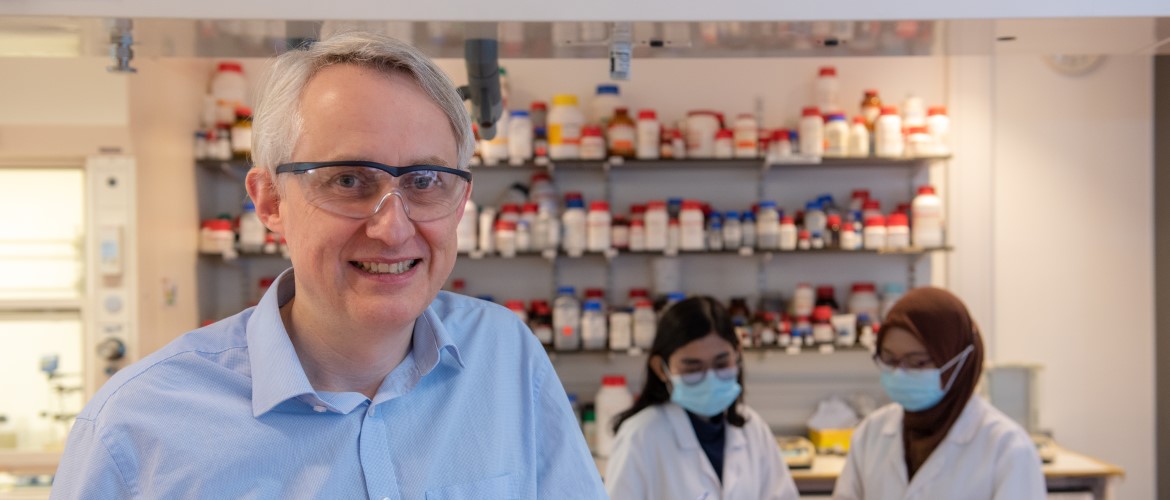
The Yeung Research Group operates state-of-the-art laboratories at Birmingham and maintains extensive collaborations with Diamond Light Source and international partners. The team employs diverse synthetic approaches alongside single-crystal and powder X-ray diffraction techniques, with growing emphasis on in situ characterization to capture transient materials states during formation processes.