معرفی
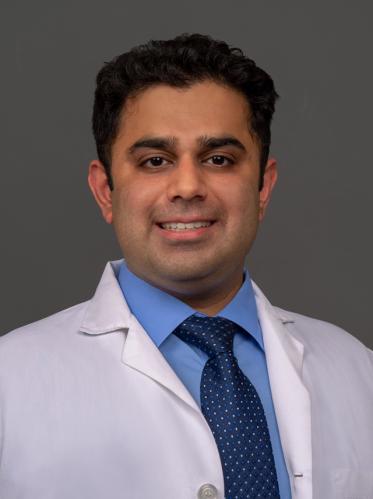
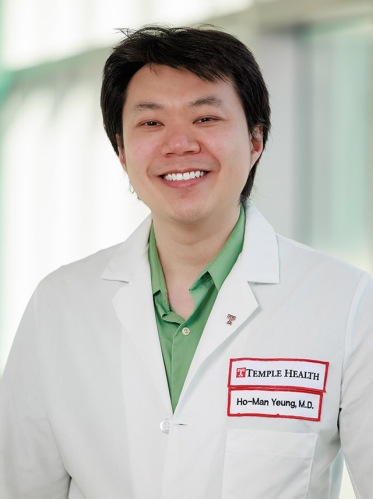
Ho-Man Yeung, MD is an Associate Professor of Clinical Medicine at Lewis Katz School of Medicine at Temple University. He specializes in Hospital Medicine with clinical focus on rare malignancies, substance use disorders, sickle cell anemia, decompensated cirrhosis, and discharge planning.
Dr. Yeung completed his medical education at Drexel University College of Medicine in Philadelphia, PA, followed by residency training in Internal Medicine at Temple University Hospital in Philadelphia, PA. He is board certified by the American Board of Internal Medicine in Internal Medicine.
His research interests span quality improvement, patient communication, discharge outcomes for patients with new cancer diagnoses, patient-directed discharge processes, medical education, and game theory applications in clinical medicine. His work demonstrates a strong focus on improving discharge outcomes, understanding patient decision-making through game theory models, and addressing challenges in caring for patients with complex medical conditions and substance use disorders.
Dr. Yeung's recent publications (2023-2025) reveal a growing emphasis on xylazine-related complications among people who inject drugs, discharge outcomes for patients with decompensated cirrhosis, pain management in sickle cell disease using game theory frameworks, and healthcare disparities affecting Asian American physicians. His work bridges clinical practice with theoretical models to improve patient outcomes and healthcare delivery.
- Temple University Libraries Open Access Publishing Fund
- Department of Medicine Resident Research Grant Award
Dr. Yeung's clinical and research work focuses on improving care transitions, particularly for vulnerable patient populations including those with substance use disorders and complex medical conditions. His game theory approach to understanding patient and physician decision-making in pain management and discharge planning represents an innovative contribution to hospital medicine. While specific grant funding isn't detailed in the available information, his research output suggests ongoing support for quality improvement initiatives focused on discharge outcomes and substance use disorder treatment.
Though specific laboratory or research team information isn't provided in the available materials, Dr. Yeung appears to collaborate extensively with colleagues across multiple disciplines including infectious disease, hepatology, oncology, and emergency medicine, suggesting participation in multidisciplinary teams focused on complex patient care and quality improvement initiatives.