معرفی
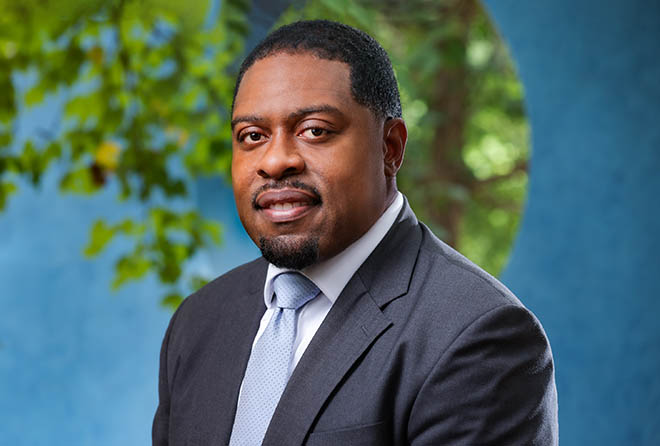
H. Timothy Lovelace, Jr., a Professor of Law at Duke Law School, is a distinguished legal historian specializing in the civil rights movement and its influence on international human rights law. He joined Duke in 2020 after serving as a Professor of Law at Indiana University’s Maurer School of Law and as a visiting professor at the University of Virginia School of Law. His research and teaching focus on American legal history, constitutional law, and race and the law, with interdisciplinary ties to historical studies and policy analysis.
- Education: J.D. and Ph.D. from the University of Virginia
Research Interests: Lovelace’s work interrogates the global repercussions of U.S. civil rights activism, particularly in shaping treaties like the International Convention on the Elimination of All Forms of Racial Discrimination. He connects historical legal battles—such as travel restrictions during the Cold War—to modern issues like voting rights and criminal justice reform, emphasizing the enduring relevance of civil rights strategies in combating systemic racism.
Article Trends: His publications span peer-reviewed journals, book chapters, and public commentary, addressing themes like corporate complicity in voter suppression, anti-racism policy, and legal responses to racial trauma. His scholarship frequently integrates historical analysis with contemporary human rights challenges, reflecting both broad legal theory and specific civil rights case studies.
Scientific Awards and Honors:
- Indiana University Trustees’ Teaching Award, 2015
- Law and Public Affairs Fellow at Princeton University, 2015-2016
- Support from the William Nelson Cromwell Foundation
- Indiana University New Frontiers in the Arts and Humanities program
- John F. Kennedy Presidential Library Foundation grant
- Virginia Foundation for Humanities Fellow
- Inaugural Armstead L. Robinson Fellow of the Carter G. Woodson Institute
Grants and Academic Leadership: He has led initiatives such as the Center for the Study of Race and Law at the University of Virginia, fostering interdisciplinary dialogue on race, law, and social justice through lectures and collaborative research. His teaching at Duke includes Advanced Constitutional Law, Critical Race Theory, and the Race and the Law Speakers Series.