
معرفی
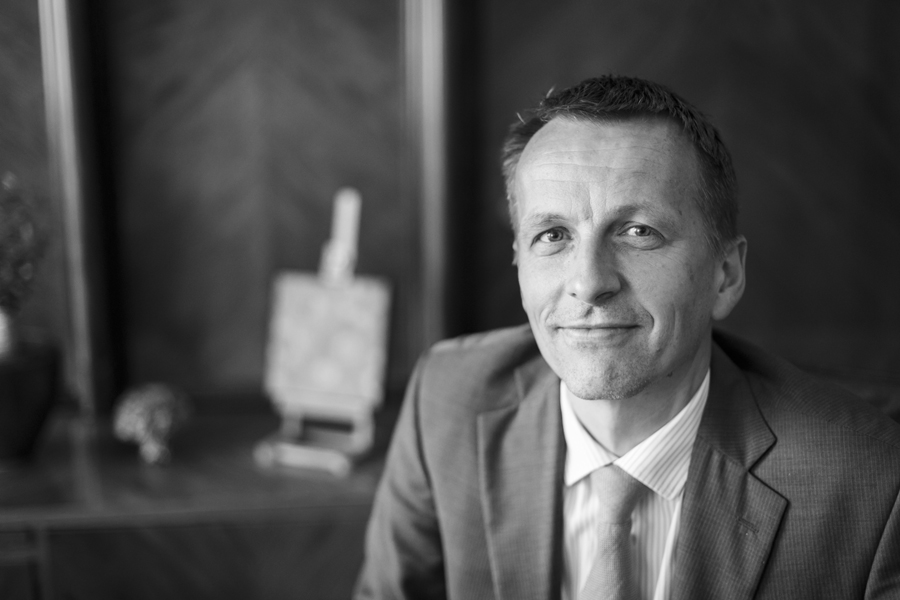
Gregor Anderluh is a Full Professor at the Biotechnical Faculty of the University of Ljubljana and Director of the National Institute of Chemistry in Slovenia since 2015. His academic leadership includes heading the Department of Biology (2011) and the Laboratory for Molecular Biology and Nanobiotechnology (2011-2015), with research centered on protein-membrane interactions in bacterial pathogenesis and immune responses.
Education:
- PhD in Biochemistry and Molecular Biology, University of Ljubljana (1998)
- Post-doctoral studies: University of Trento (1999, EMBO fellowship), Newcastle University (2001-2002, FEBS fellowship), University of Oxford (2009, EMBO fellowship)
Anderluh's research pioneers biophysical methodologies for studying toxin-membrane interactions, particularly using surface plasmon resonance. His work elucidates mechanisms of pore-forming proteins in bacterial virulence, plant-pathogen systems, and immune defense, revealing how lipid composition modulates toxin activity and membrane disruption. This interdisciplinary approach bridges structural biology, microbiology, and biophysics to address fundamental questions in cellular pathogenesis.
Analysis of his 129+ publications shows consistent focus on structural characterization of pore-forming toxins (e.g., listeriolysin O, cytolysins), with recent work emphasizing dynamic pore plasticity, pH-dependent regulation, and implications for bacterial escape from phagosomes. The research portfolio demonstrates strong integration of crystallography, biophysical assays, and pathogenesis models.
Scientific Awards:
- Associate member of the Slovenian Academy of Sciences and Arts (2017)
- Pregl Award of the National Institute of Chemistry (2013)
- Zei award of the National Institute of Biology (2010)
- Zois Certificate of Recognition (2005)
- Wellcome Trust International Research Development Award (2003)
- Golden Emblem of Jožef Stefan Institute (2002)
- FEBS Long-Term Fellowship (2001)
- EMBO Short-Term Fellowships (1999, 2009)
Anderluh secured major research funding through competitive international fellowships including EMBO, FEBS, and Wellcome Trust awards. He co-founded and led the Infrastructural Centre for Molecular Interactions Analysis (2004-2015) and currently directs the National Institute of Chemistry, overseeing multi-disciplinary research programs in chemical and molecular sciences. His grants consistently support infrastructure development for advanced biophysical studies.
His laboratory established Slovenia's premier facility for protein-membrane interaction analysis, featuring surface plasmon resonance and nanobiotechnology platforms. The team's work on MACPF/CDC protein families has influenced understanding of membrane damage mechanisms across pathogens and immune systems, with applications in toxin detection and therapeutic development.


