معرفی
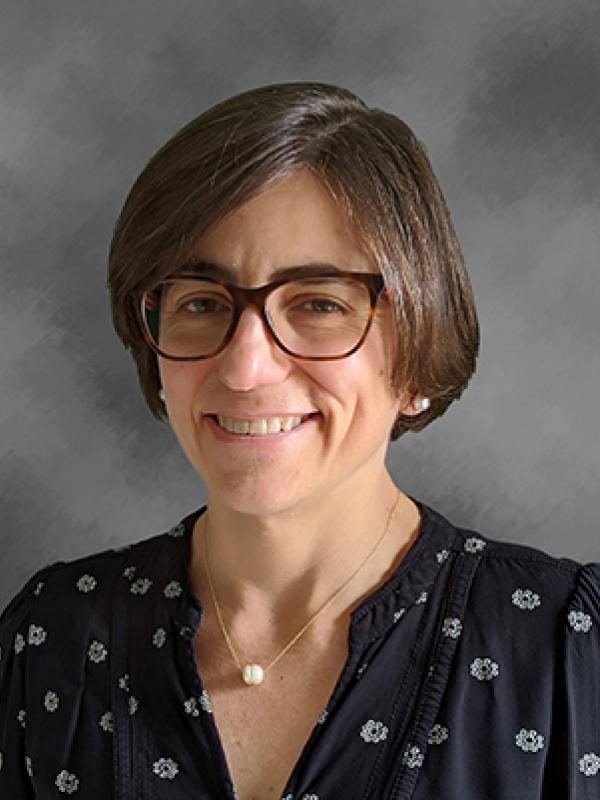
Dr. Georgia Isom is a group leader at the Sir William Dunn School of Pathology, University of Oxford, where she holds the prestigious positions of Monsanto Senior Research Fellow and Medical Research Council Career Development Fellow. Her research focuses on understanding the molecular mechanisms of bacterial membrane biogenesis, particularly how Gram-negative bacteria build and maintain their outer membranes - a critical barrier that contributes to antimicrobial resistance. She leads an active research group studying lipid transport systems across the bacterial envelope using structural biology, biochemistry and bacterial genetics approaches.
Dr. Isom earned her undergraduate degree in Biology (BSc Hons) from the University of Bath in 2012, followed by a PhD from the Institute of Microbiology and Infection at the University of Birmingham in 2017. She then conducted postdoctoral research for over four years at New York University Langone School of Medicine before returning to the UK in 2022 to establish her independent research group at the University of Oxford.
Dr. Isom's research program centers on the fundamental mechanisms of antimicrobial resistance in Gram-negative bacteria, with a specific focus on outer membrane biogenesis. Her work investigates how bacteria transport lipids and hydrophobic proteins across the aqueous periplasm to build and maintain their outer membrane barrier. Using a multidisciplinary approach combining structural biology (particularly cryo-EM), biochemistry, and bacterial genetics, her lab studies protein pathways that form shuttles or direct bridges between the inner and outer membranes. This research has significant implications for developing novel therapeutic approaches that could disrupt this barrier and overcome antibiotic resistance.
Dr. Isom's publication record demonstrates a consistent focus on bacterial membrane transport systems, with particular emphasis on Mammalian Cell Entry (MCE) proteins and ABC transporters involved in lipid trafficking. Her work has revealed diverse architectures of protein-based channels that mediate lipid transport across the periplasm, including ring-shaped assemblies, elongated tubes, and syringe-like structures. These findings have significantly advanced our understanding of how Gram-negative bacteria maintain their outer membrane integrity, which is crucial for their resistance to antibiotics.
Dr. Isom has received significant recognition for her research:
- Monsanto Senior Research Fellow
- Medical Research Council Career Development Fellow
As a principal investigator, Dr. Isom mentors multiple graduate students and postdoctoral researchers in her laboratory. Her group includes PhD students Qiaoyu Tian, Emilia Taylor, Harry Lee, and Clare De'Ath, as well as postdoctoral researchers Suzanne Letham and Benjamin Cooper. Her research is supported by competitive funding including the Medical Research Council Career Development Award and the Monsanto Senior Research Fellowship, which enable her team to pursue innovative approaches to understanding bacterial membrane biogenesis.
Dr. Isom leads the Isom Lab at the University of Oxford, which maintains an active research program investigating the molecular mechanisms of bacterial membrane biogenesis. The lab utilizes advanced techniques including cryo-electron microscopy, X-ray crystallography, and bacterial genetics to study protein transport systems across the bacterial envelope. Her team's work on MCE proteins and lipid transport systems has positioned them at the forefront of research into novel approaches for overcoming antimicrobial resistance.