
معرفی
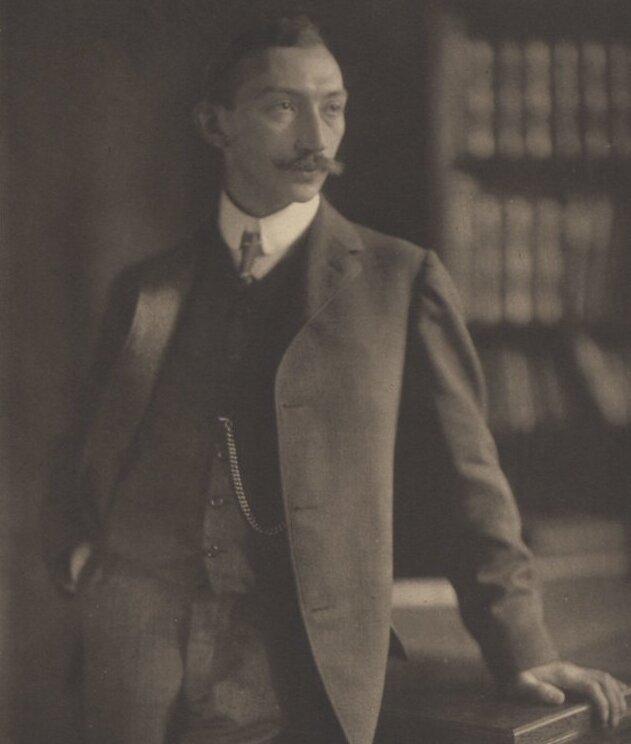
Georg Schlesinger (1874-1949) was a pioneering academic in mechanical engineering, appointed as the first Professor of Machine Tools and Factory Operations at Königlich Technische Hochschule zu Berlin (now Technische Universität Berlin) in 1904. His department achieved international acclaim during his 30-year tenure. Despite his expertise, he faced persecution under the Nazi regime: his home and laboratory were raided in 1933, leading to false accusations, imprisonment, and eventual forced retirement. Supported by colleagues and industry groups, he fled Germany in 1934, later teaching in Zurich, Brussels, and at Loughborough College (UK) until 1944.
Research Contributions: Schlesinger’s work focused on advancing manufacturing processes and industrial engineering. His establishment of a testing site for machine tools (1907) underscored his commitment to practical innovation. His expertise was internationally recognized, though suppressed by political forces.
Persecution and Exile: After Hitler’s rise, Schlesinger was targeted due to his ‘non-Aryan’ status. He endured two wrongful imprisonments (1933), baseless accusations of treason and fraud, and loss of academic standing. His case exemplifies the erosion of academic integrity under Nazi policies.
Legacy: Post-exile, he continued teaching in Europe until his death in 1949. His life’s work was later rediscovered through efforts by Günter Spur, ensuring his contributions to engineering education and resistance against oppression are remembered.
Georg Schlesinger در سایتهای دیگر
جستوجوهای مرتبط
شاید اینها هم برایتان مناسب باشند
 Paul LazarusCharité - Universitätsmedizin Berlin · استاد
 Franz KramerCharité - Universitätsmedizin Berlin · دانشیار
 Ferdinand BlumenthalCharité - Universitätsmedizin Berlin · دانشیار
 Herbert JehleGeorge Washington University · استاد
 Ernst MislowitzerCharité - Universitätsmedizin Berlin · استاد
 Marc Oliver LöwnerTechnical University of Berlin (TU Berlin) · پژوهشگر