معرفی
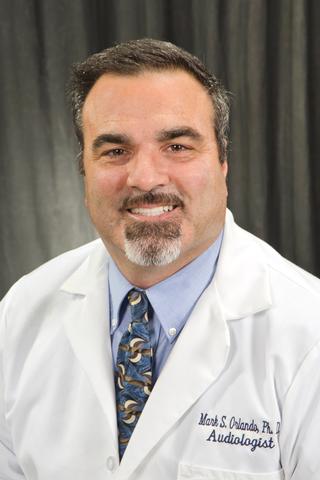
Gene E. Watson, D.D.S., Ph.D., is a Part-Time Professor in the Department of Dentistry, with joint appointments in the Department of Environmental Medicine and the Department of Pharmacology and Physiology at the University of Rochester Medical Center (URMC), School of Medicine and Dentistry. With over two decades of experience in the Faculty Practice, Dr. Watson is a leading researcher in oral health, environmental toxicology, and neurodevelopmental outcomes related to methylmercury exposure from fish consumption and dental materials.
His research spans dry mouth, dental caries, and the pharmacological effects of dental drugs, with a strong emphasis on public health implications. He has made significant contributions to the Seychelles Child Development Study, investigating the long-term impacts of prenatal and postnatal methylmercury exposure on child neurodevelopment, while also examining protective factors such as omega-3 fatty acids and selenium. His work integrates molecular biology, epidemiology, and clinical dentistry, utilizing advanced techniques like synchrotron X-ray spectroscopy to study mercury speciation in biological tissues.
Dr. Watson has published extensively in top-tier journals including Neurotoxicology, Environmental Health Perspectives, and The American Journal of Clinical Nutrition. His recent publications focus on gene-environment interactions, psychosocial determinants of oral health, teledentistry, and age-friendly dental care. The body of his work demonstrates a consistent trajectory in understanding the balance between nutritional benefits and environmental risks in seafood consumption, as well as advancing preventive strategies in pediatric and geriatric dentistry.
- URMC Excellence in Research Award (2007)
- National Research Service Award (1987–1993)
Dr. Watson has served as a consultant to major public health agencies, including the Centers for Disease Control and Prevention (CDC), the Environmental Protection Agency (EPA), and the American Dental Association Council on Scientific Affairs. His interdisciplinary collaborations span pharmacology, environmental medicine, and public health. He has been involved in numerous NIH-funded research projects, contributing to national and international guidelines on mercury exposure and dental safety. While no formal advisees are listed, his collaborative publications suggest mentorship and leadership within research teams. He is affiliated with advanced research laboratories involved in toxicology and biomonitoring, particularly those utilizing synchrotron technology for elemental analysis.