معرفی
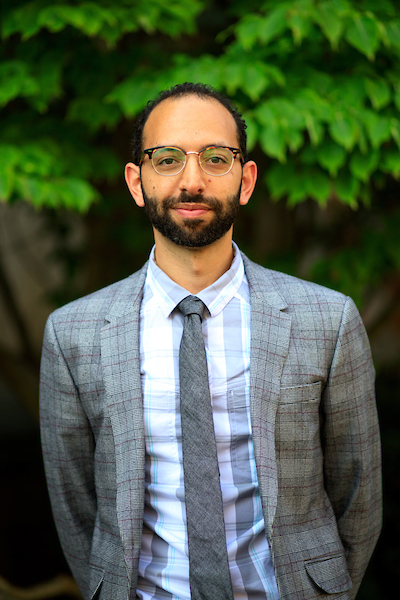
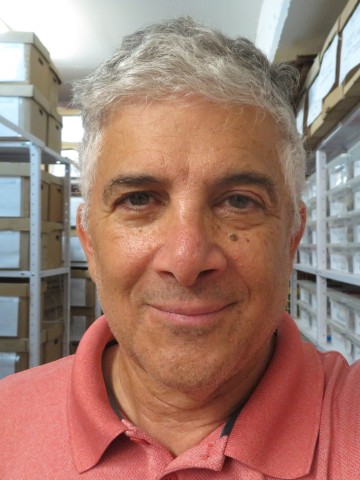
Gary Gilbert is an Associate Professor in the Department of Religious Studies, with scholarly expertise in Ancient Jewish History, Jewish/Christian relations, Jewish art, synagogue studies, and the development of early Christianity. His academic work bridges historical, religious, and cultural analyses of Second Temple and early rabbinic Judaism, as well as the origins of Christianity within its Roman and Jewish contexts.
- B.A., Haverford College
- M.A., Columbia University
- Ph.D., Columbia University
His research focuses on the intersection of Jewish life with broader civic and imperial structures in antiquity. Key interests include gentile participation in Jewish communities, the influence of Roman political ideology on early Christian texts, and the evolution of Jewish-Christian relations. He also investigates Jewish visual culture, particularly the symbolism of the menorah in ancient art.
His publications reflect a strong engagement with textual and material evidence from the ancient Mediterranean world. Themes across his recent and forthcoming articles include Jewish urban life, the representation of Jewish identity in art and literature, and the theological and political dimensions of New Testament writings—especially the Acts of the Apostles. His scholarship often employs interdisciplinary methods combining history, archaeology, and literary analysis.
- Israel Institute, Course Development Grant (2023)
- Summer Fellow, Schusterman Center for Israel Studies (2019)
- Visiting Lecturer, University of Warsaw (2019)
- Visiting Scholar, Oxford Centre for Hebrew and Jewish Studies (2005–2006)
- Claremont Graduate University, Humanities Electronic Media Project (2000)
- Salo and Jeanette Baron Dissertation Prize nomination (1992)
Gilbert has contributed significantly to pedagogical innovation, particularly through integrating technology into religious studies education. He has advised on digital humanities projects and developed curricula on Jewish and Christian origins. Though no formal advisees are listed, his academic mentorship extends through collaborative research, guest lectureships, and participation in scholarly centers. He has secured external funding for research and course development, demonstrating sustained scholarly productivity and institutional engagement.
His affiliations with leading centers such as Oxford, the Schusterman Center, and the University of Warsaw highlight his international scholarly presence. He continues to publish in major academic venues and contribute to authoritative reference works like The Jewish Annotated New Testament.