معرفی
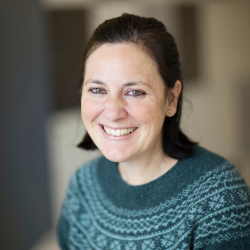
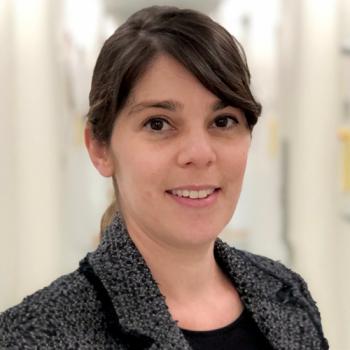
Frederic Lluis Vinas serves as an Associate Professor in the Department of Development and Regeneration at KU Leuven's Faculty of Medicine. He actively contributes to academic governance as a member of the Biomedical Sciences Doctoral School Committee, Council of the Faculty of Medicine, and Council of the Department of Development and Regeneration, driving research and educational initiatives in biomedical sciences.
His research centers on Stem Cell Biology and Developmental Biology, with critical focus on Wnt/β-catenin signaling, stem cell cycle regulation, somatic cell reprogramming, and cancer dormancy mechanisms. He investigates how these pathways govern therapy resistance in triple-negative breast cancer and lineage segregation during human embryogenesis, bridging fundamental developmental processes with oncological applications to uncover cellular quiescence and regenerative mechanisms.
Analysis of his 2025 publications reveals dominant themes in Wnt-mediated diapause-like states in cancer therapy resistance and pluripotency regulation in embryonic stem cells. His work integrates advanced 3D ex-vivo models, single-cell profiling, and flow cytometry to dissect molecular mechanisms in breast cancer persistence and early human development, highlighting translational potential for overcoming chemotherapy resistance.
Dr. Lluis Vinas mentors PhD students Ellaithy Y., El Laithy Y., and Izuel Idoype T. on Wnt signaling in breast cancer dormancy, iPSC hepatic maturation, and embryonic development. He leads major projects including 'Studying the mechanisms of therapy resistance in breast cancer' (2024-2028) and 'Mechanisms of cell cycle control in early embryonic development' (2024-2028), while co-promoting core facility advancements in flow cytometry and IsoPlexis single-cell technologies.
Based in the Stem Cell and Developmental Biology unit (ON4 Herestraat 49, Leuven), he leverages KU Leuven's Flow Cytometry core facility and spectral flow cytometry for high-dimensional cellular analysis. The unit specializes in modeling cancer dormancy and embryonic lineage decisions, utilizing cutting-edge single-cell functional profiling to drive innovations in regeneration and oncology research.