معرفی
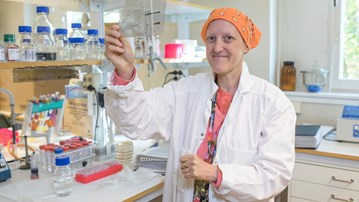
Francesco Boccellato is a Leadership Fellow at the Ludwig Institute for Cancer Research, University of Oxford, where he leads the Boccellato Group focused on infection-driven carcinogenesis. His research examines how oncogenic pathogens like Helicobacter pylori and Salmonella persist in human tissues for decades, causing DNA damage and epithelial regeneration that culminate in cancer development.
His research centers on the epithelial barrier response to bacterial infections, particularly how chronic infections induce genomic instability while evading immune detection. He pioneered the mucosoid culture system—a patented human stem cell-derived model that replicates gastric and gallbladder epithelia to study pathogen interactions. Key interests include
- Long-term infection niches and DNA damage mechanisms
- Mucus barrier defense against bacterial evasion
- Morphogen signaling in tissue regeneration
- Epigenetic changes during carcinogenesis
His publication analysis reveals strong emphasis on gastric cancer pathogenesis (60% of articles), with growing focus on computational modeling of infection dynamics and epigenetic drivers. Research consistently bridges microbiology, cancer biology, and tissue engineering.
Scientific recognition includes:
- Lee Placito Research Fellowship (2024)
Boccellato actively mentors three DPhil students and develops human stem cell culture technologies for studying infection-cancer links. His group investigates how pathogens manipulate tissue microenvironments to establish persistent colonies, with implications for early cancer detection and prevention strategies. Current work focuses on inflammation-induced antimicrobial peptide secretion as a defense mechanism against oncogenic bacteria.