معرفی
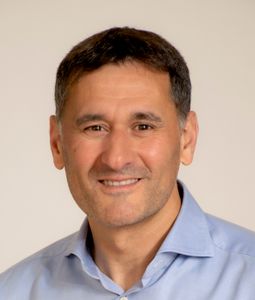
Dr. Fernando D. Camargo is a Professor in the Department of Stem Cell and Regenerative Biology at Harvard University and a Principal Investigator at Boston Children's Hospital. He leads the Camargo Laboratory, which focuses on adult stem cell biology, organ size regulation, and cancer research. His laboratory is particularly renowned for groundbreaking work on the Hippo/YAP signaling pathway and its critical role in stem cell biology, tissue regeneration, and cancer development.
Dr. Camargo's primary research interests include:
- Stem cell biology, with emphasis on hematopoietic stem cells
- Hippo/YAP signaling pathway in organ size regulation
- Development of novel clonal analysis techniques for stem cell populations
- Embryonic and adult hematopoiesis mechanisms
- Tissue regeneration processes
- Cancer development related to stem cell pathways
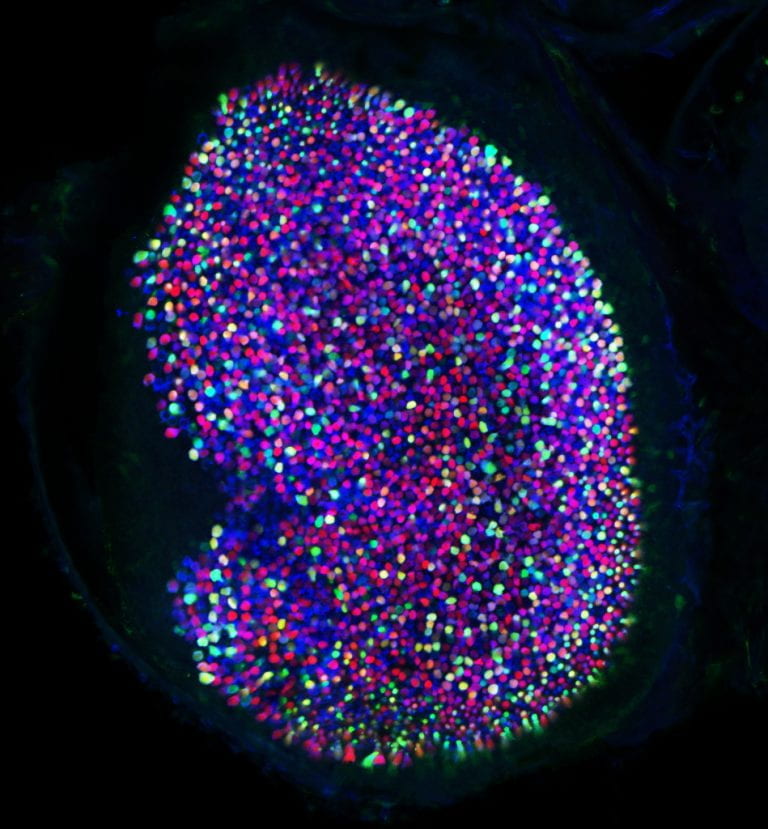
The Camargo Laboratory has made seminal contributions to understanding how tissues regulate their size through the Hippo signaling pathway. Their pioneering work demonstrated this pathway's role as a potent regulator of organ size in mammals and established a conceptual link between organ size regulation and stem cell activity. Recent research has focused on developing innovative experimental systems like DARLIN and CARLIN mouse models for clonal tracing of hematopoietic stem and progenitor cells in their native environment.
Dr. Camargo has received numerous prestigious awards recognizing his scientific excellence:
- NIH Director's New Innovator Award
- Vilcek Prize for Creative Promise in Biomedical Science
- ISSCR's Dr. Susan Lim Award for Outstanding Young Investigator
- Howard Hughes Medical Institute Scholar
- Regenerative Biology Endowed Chair (awarded February 2022)
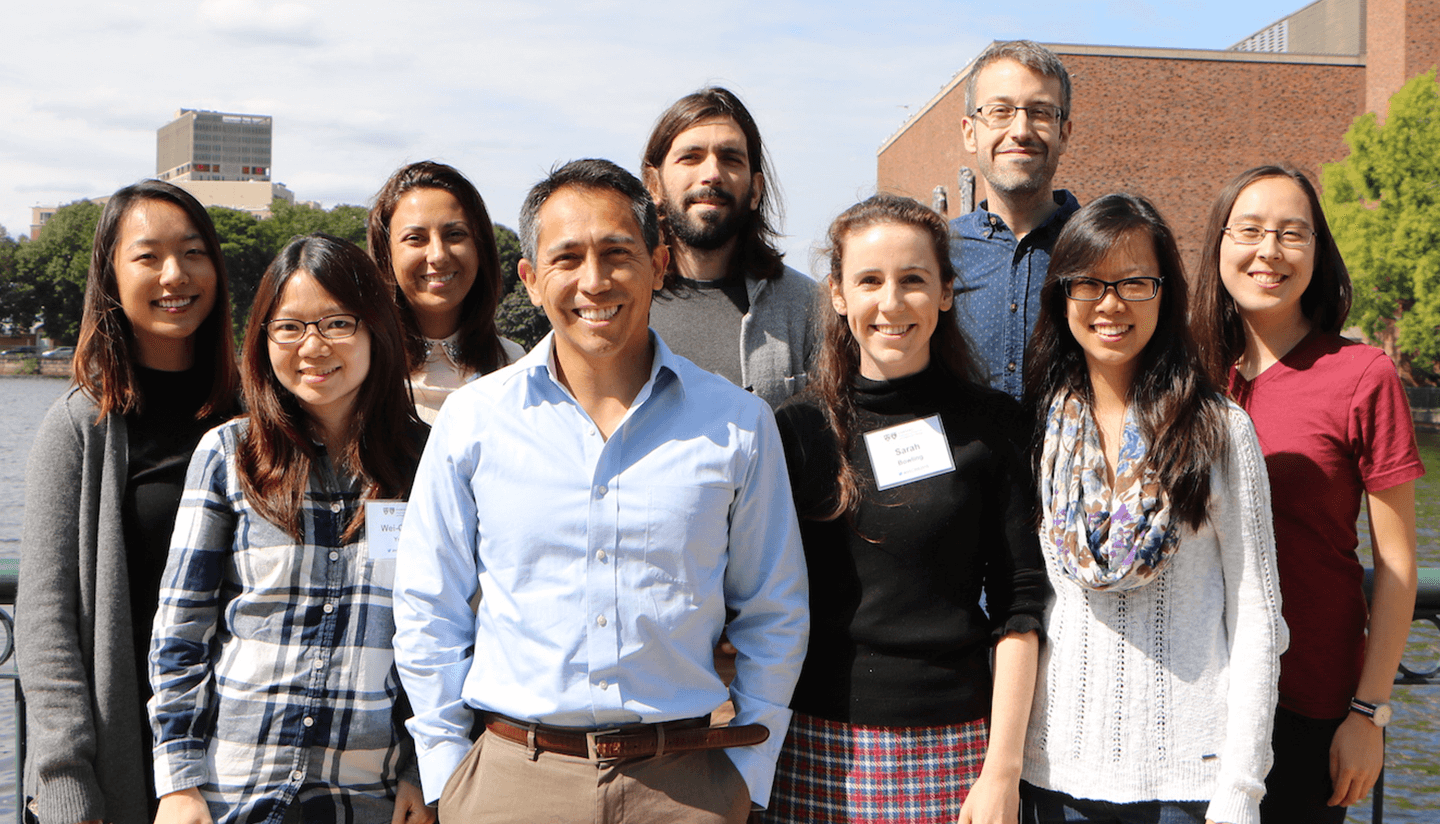
Dr. Camargo mentors a diverse research team including postdoctoral fellows, graduate students, and research staff. His laboratory's innovative approaches for studying stem cell dynamics in vivo have opened new avenues for understanding stem cell behavior in both healthy and disease states, with significant implications for regenerative medicine and cancer therapy development.