معرفی
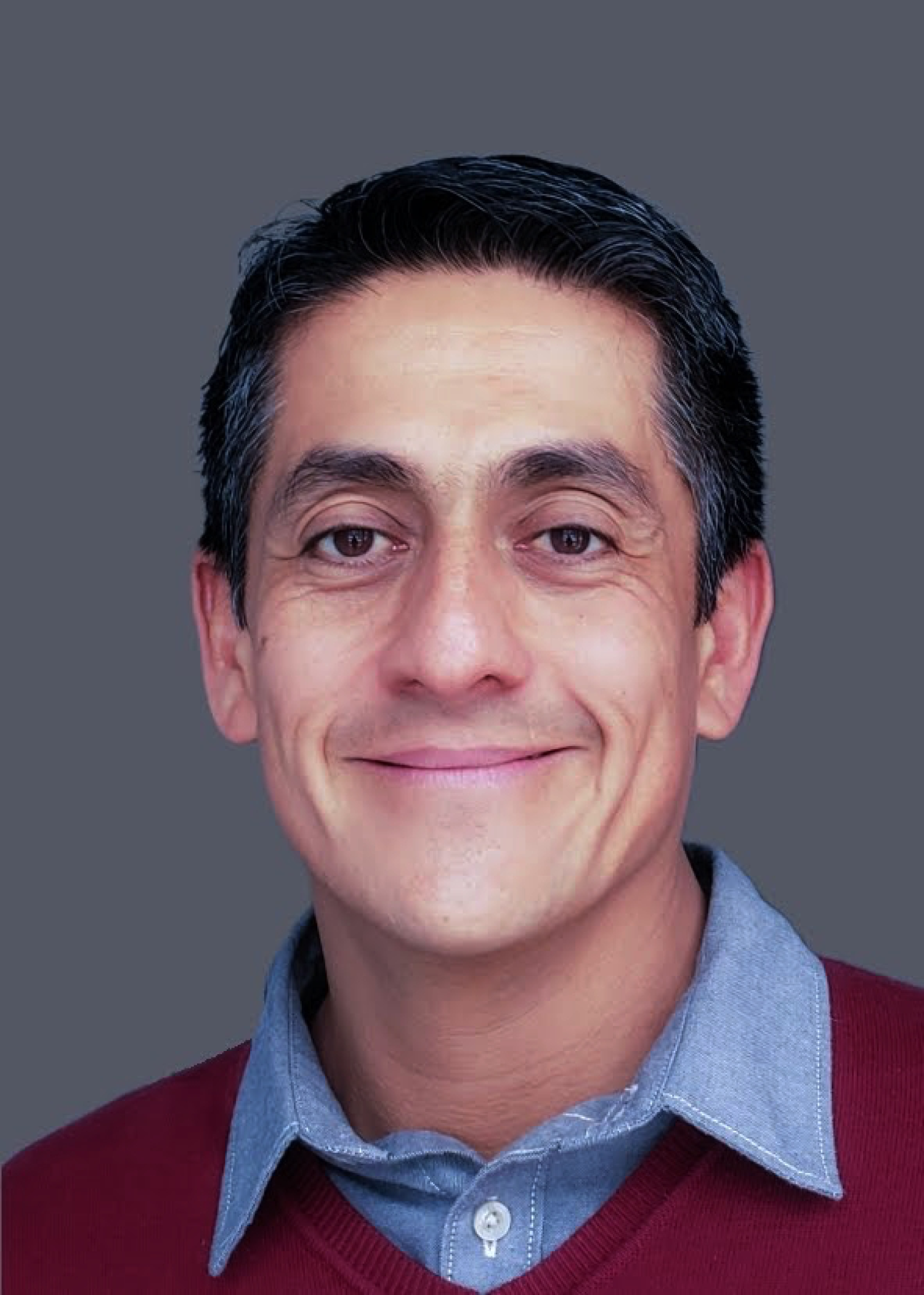
Fernando Briones serves as a Research Associate at the Laboratory for Energy and Environmental Policy Innovation (LEEP) within the University of Colorado Boulder. A Mexico-born social anthropologist, he specializes in the social dimensions of environmental change with emphasis on marginalized communities across the Global South and United States. His institutional affiliation positions him at the intersection of academic research and policy implementation in environmental governance.
Education:
- Ph.D. in Social Sciences, École des Hautes Etudes en Sciences Sociales, Paris, France (2008)
Briones' research interrogates the nexus of social vulnerability, disaster risk reduction, and climate change adaptation through critical examination of indigenous knowledge systems and policy applicability. His work consistently centers on power dynamics in risk construction, emphasizing how marginalized groups experience and navigate environmental hazards. Fieldwork across Mexico, Brazil, Argentina, Peru, Central America, and Caribbean Islands reveals recurring themes of epistemic injustice in climate policy and the resilience of traditional knowledge systems. His anthropological approach challenges top-down adaptation frameworks by documenting community-led responses to hydrological disasters and climate variability.
Analysis of his 15 most recent publications demonstrates sustained focus on knowledge systems in disaster contexts, with increasing attention to policy integration challenges since 2015. Geographically, his work concentrates on Mesoamerican and Caribbean regions, particularly examining indigenous communities' climate adaptation strategies. Methodologically, he bridges qualitative social science with disaster studies, producing critical insights about the social construction of risk in urban and rural settings affected by El Niño events, hurricanes, and droughts.
Briones actively contributes to the Laboratory for Energy and Environmental Policy Innovation's mission through field research and policy analysis. His scholarly output directly informs disaster risk governance frameworks, though specific grant details remain unpublicized in available materials. The absence of formal student advisement listings suggests his primary role centers on independent research rather than academic mentorship within the university structure.