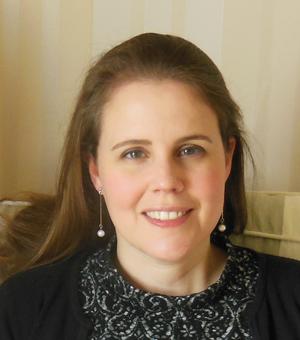
Fergus Gracey
دانشیار بالینی · Neuropsychological Rehabilitation
University of East Angliaمعرفی
Fergus Gracey is a Clinical Associate Professor in Clinical Psychology at the Norwich Medical School, University of East Anglia (UEA). He is a member of the Lifespan Health research group and contributes significantly to the UEA Clinical Psychology doctoral programme as a senior research tutor and co-lead of the Neuropsychology module.
Fergus completed his clinical psychology training at UEA in 2000 and earned a post-graduate diploma in Cognitive Behavioral Therapy (CBT) from Oxford in 2004.
His research and clinical work focus on neuropsychological rehabilitation, particularly on self-regulation, identity, psychological therapy/CBT, and asset-based community approaches following brain injury. He also investigates the experiences of families and caregivers of individuals with brain injuries or dementia, emphasizing social connection and wellbeing through qualitative research.
His recent publications highlight a strong trend in rehabilitation science, mental health equity, and qualitative exploration of psychological outcomes after neurological events. Key themes include telerehabilitation, post-stroke depression, apathy in neurodegenerative diseases, and posttraumatic growth in older adults.
He holds honorary and leadership positions in several professional bodies, including:
- Member, BPS Division of Neuropsychology’s Policy Unit
- Board of Associate Editors, Neuropsychological Rehabilitation
- Committee Member, AnchorPoint
- Committee Member, WFNR Organisation for Psychological Research in Stroke (OPSYRIS)
- Member, Norfolk and Waveney Acquired Brain Injury Network
Fergus has led and co-led multiple research projects funded by the National Institute for Health and Care Research (NIHR), including studies on transcutaneous vagal nerve stimulation, Arts for Health interventions post-stroke, and creative storytelling for family adaptation after brain injury. He has supervised researchers such as Alison Woods and continues to mentor within the doctoral programme.
His research is supported through active collaborations and community engagement initiatives, particularly through projects like CARECOACH and Life Threads-TBI, which aim to bridge gaps in representation and support systems in acquired brain injury research.
حوزههای پژوهشی