معرفی
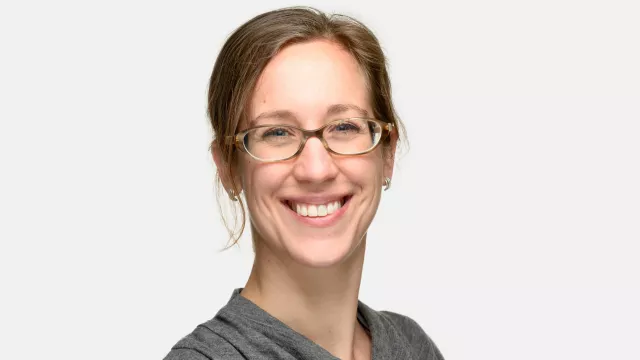
Dr. Feija Schaap serves as a Lecturer in the final phase of the Social Work program at NHL Stenden University of Applied Sciences. She conducts postdoctoral research on vulnerability among older adults living at home as a result of the coronavirus pandemic through the Talma professorship. Additionally, she coordinates one of six Social Domain workshops for the Social Quality research group, creating an interprofessional learning environment where students from ten different academic programs collaborate with municipalities and professional partners on complex social problems.
Her educational background includes:
- Studied Andragogy at the University of Groningen
- PhD in person-centered care for people with intellectual disabilities and dementia (2019, University of Groningen)
Dr. Schaap's research focuses on bridging the gap between conventional dementia care and care for older people with intellectual disabilities. Her work emphasizes person-centered approaches that consider the unique needs and experiences of vulnerable populations. She has extensively researched Dementia Care Mapping as a method to improve care quality through intensive observation of clients' daily experiences. Her current research examines vulnerability among older adults living at home during the pandemic and facilitates interprofessional learning through design approaches.
Her publication record demonstrates a consistent focus on improving care for people with intellectual disabilities and dementia. Through multiple studies, she has examined how Dementia Care Mapping enhances staff knowledge and skills while improving well-being and quality of life for clients. Her research also explores interprofessional learning networks where healthcare and social welfare professionals learn from each other through practical cases, revealing the importance of involving all organizational levels in care improvement processes.
Dr. Schaap coordinates the Social Domain workshops, creating an interprofessional learning environment where students from ten different programs collaborate with municipalities and professional partners. Her approach emphasizes involving all organizational members, from frontline staff to management, recognizing that everyone plays a role in clients' lives. She advocates for person-centered care to be embedded in the DNA of care organizations, extending beyond individual care to influence organizational mission and vision.
Her work with the Talma professorship focuses on understanding and addressing vulnerability among older adults living at home, particularly in the context of the coronavirus pandemic. She also works to facilitate and sustain interprofessional learning and working within and outside the university through design approaches, building on her doctoral research findings about the importance of interprofessional learning and working.