معرفی
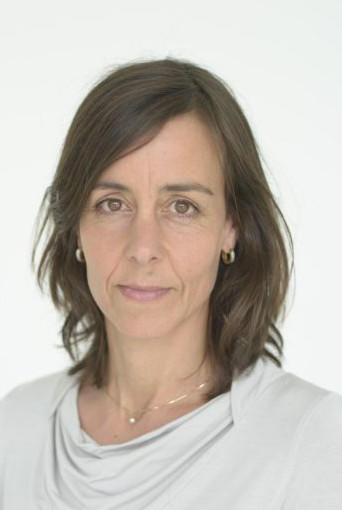
Prof. Fatma Nevra Seggie serves as a Professor at Boğaziçi University, Turkey, where her research critically examines the intersection of secularism, gender identity, and educational policy within Turkish higher education. With over two decades of scholarly contribution, she investigates systemic barriers to educational access and the lived experiences of students navigating state-enforced secularism.
Education Background:
- BA in Education, Istanbul University (1994)
- MA in Education, University of Warwick (1996)
- PhD in Education, Michigan State University (2007)
Research Focus: Prof. Seggie's work centers on how Turkey's secular framework shapes educational environments, particularly through headscarf policies and curriculum design. Her methodology combines qualitative analysis of student/faculty perceptions with comparative studies of international education systems. Key contributions include exposing contradictions in secularism implementation and documenting gendered impacts of religious attire bans on academic participation. Her scholarship bridges educational theory, gender studies, and political sociology to advocate for inclusive policy reforms.
Publication Landscape: Between 2006-2010, her output reveals consistent thematic focus on secularism-gender dynamics in Turkish academia. Articles predominantly employ qualitative approaches to explore student identity negotiation under religious restrictions, with significant publications in Higher Education and Race, Ethnicity & Education. Her work demonstrates interdisciplinary reach across education policy, sociology of religion, and gender studies while maintaining empirical grounding in Turkish institutional contexts.
Grants and Leadership: As Co-coordinator of the European Values Education project (2009-2011), funded by the European Commission's Comenius Program, she led a multinational partnership with Fontys University (Netherlands) to integrate democratic values into curricula. While specific advisees aren't documented, her collaborative publications with scholars like Mabokela indicate active mentorship of emerging researchers in transitional education systems.