معرفی
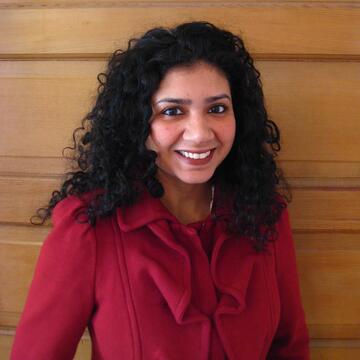
Dr. Fatima Tofighi is a Scientific Associate at the University of Bonn’s Catholic Theological Faculty, specializing in systematic theology with a focus on social challenges. Since 2016, she concurrently holds an Assistant Professorship in Religious Studies at the University of Religions. Her research integrates critical approaches to religious texts, emphasizing Qur’anic and Biblical exegesis, gender studies, and modernist reinterpretations of religious rituals. She earned her PhD in Literature and Theology from the University of Glasgow (2014), following an MA in English Literature and a BA in Theological Studies from Shahid Beheshti University of Tehran.
Her academic work bridges theoretical and applied religious studies, addressing topics like feminist readings of sacred texts, political theology, and the intersection of religion with modernity. Notable publications include Paul's Letters and the Construction of the European Self (2017) and a Farsi monograph on modern exegesis methods (2022). Her articles span journals like New Testament Studies and Political Theology, focusing on themes such as Islamic modernity, gender in religious discourse, and the cultural reception of religious texts.
- Research Focus: Qur’anic/Biblical exegesis, gender-religion intersections, political theology, and modernist reinterpretations.
- Teaching: Courses include Introduction to Religions, Feminist Approaches to Religion, and Hermeneutics.
Dr. Tofighi has received awards like the 2021 Farabi National Festival Research Award and fellowships including the Europe in the Middle East-Middle East in Europe program (2017–2018). She actively contributes to academic communities as a co-founder of the Iranian Association for Religious Studies (2020) and editorial board member for Brill’s Political and Public Theologies series.
Her work critically examines religion’s role in shaping political and social identities, particularly through the lens of marginalized voices and contemporary ideological frameworks. Current projects explore the interplay between religious rituals, modernity, and secularism in Iranian intellectual history.