معرفی
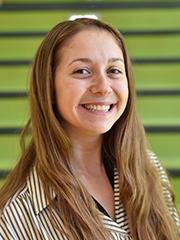
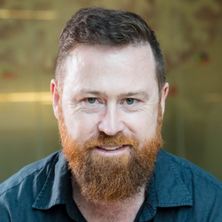
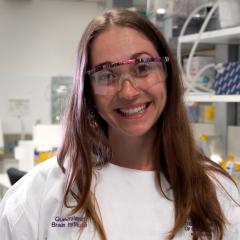
Professor Eyles leads research at the Queensland Brain Institute (University of Queensland), focusing on neurodevelopmental disorders such as schizophrenia and autism, particularly investigating the role of vitamin D and environmental factors. Their work integrates animal models, clinical studies, and molecular biology to understand mechanisms linking vitamin D deficiency to neurological outcomes. Recent projects include exploring the gut microbiome’s role in schizophrenia treatment resistance and the long-term effects of neonatal vitamin D levels on eczema and food allergy development. Eyles has secured significant NHMRC funding and collaborates with international teams to advance translational neuroscience. Their lab has trained students like Svetlina Vasileva (gut-brain axis studies) and Zilong Du (stress-dopamine interactions).
Research interests span vitamin D’s regulation of dopamine systems, developmental origins of mental disorders, and environmental pollutant interactions. Major findings include the association between neonatal vitamin D deficiency and increased schizophrenia risk, and the use of animal models to study autism-relevant behaviors. Eyles contributes to public health initiatives, including mental health webinars and community outreach, and has been recognized for expanding schizophrenia research knowledge. Their team employs cutting-edge techniques like LC-MS/MS for biomarker analysis and genomic approaches to study vitamin D signaling pathways.
Grant achievements include $3.2 million NHMRC Ideas Grants (2023) and collaborations on projects such as TRS-BIOME. Eyles’ work bridges basic science and clinical applications, emphasizing early intervention strategies and preventive measures in neurodevelopmental disorders.