معرفی
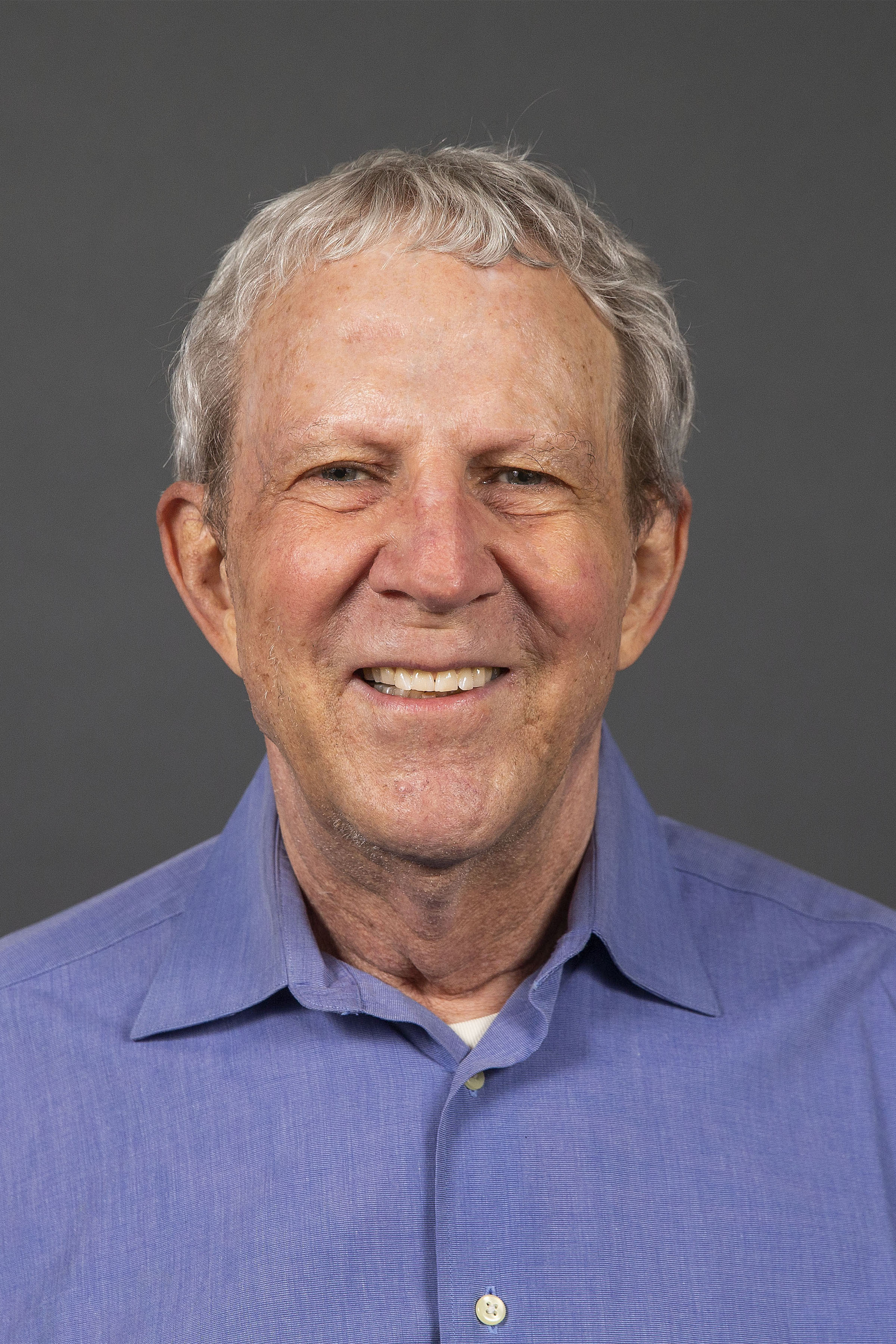
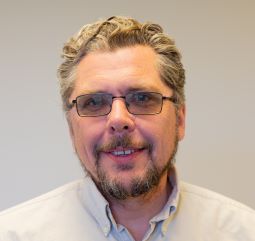
Euan Hague is Vincent de Paul Professor at DePaul University's College of Liberal Arts and Social Sciences, serving as Director of the School of Public Service and Chair of Nonprofit Management. His work bridges academic geography with community engagement through the Student Urban Research Corps, partnering with organizations like Chicago Furniture Bank and KEEN Chicago.
Education
- PhD, Syracuse University
- MA, Lancaster University
- BS, Bristol University
Hague's research critically examines Confederate commemoration, white racial identities, and urban transformation. As a cultural and urban geographer, he investigates neo-Confederate nationalism (particularly the League of South), Scottish-American cultural connections, and Chicago's evolving urban landscapes through gentrification studies and community-based activism. His work consistently centers spatial justice and historical memory in American cities.
Analysis of his recent publications reveals sustained focus on Confederate memory politics (27% of works), Chicago urban dynamics (33%), and community-engaged pedagogy (22%). Key trends include growing emphasis on climate governance since 2020, longitudinal studies of gentrification resistance, and innovative frameworks connecting spatial analysis with racial justice movements.
Scientific Recognition
- Barbara A. Holland Scholar-Administrator Award (2019) from Coalition of Urban and Metropolitan Universities
Hague directs the Student Urban Research Corps, facilitating student-community partnerships since 2004. His community collaborations include 15 years with Pilsen Alliance (2004-2019) and ongoing projects with Chicago Furniture Bank. His grant work focuses on sustainable urban development curricula and civic geography initiatives, often securing institutional support for community-engaged scholarship.
Hague leads the Student Urban Research Corps which functions as his primary research team, connecting DePaul students with Chicago community organizations for applied urban research projects focused on gentrification resistance, sustainable development, and historical memory.