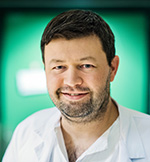
معرفی
Espen Kolstad Heen is a Doctoral Research Fellow at the Department of Community Medicine and Global Health, Faculty of Medicine, University of Oslo. His work focuses on global health challenges with particular emphasis on nutritional epidemiology, iodine nutrition, and neonatal health in low-income settings, especially in Somaliland and the Horn of Africa region.
He holds an MD (2001), DTMH from Liverpool School of Tropical Medicine (2009), and an MPhil in International Health from UiO (2012). His clinical background includes experience in family medicine, internal medicine/geriatrics, pediatrics, neonatology, and psychiatry, with field work in both Norway and Somaliland.
His primary research interests include iodine nutrition, methodological issues in micronutrient analysis, fluid intake and hydration measurement, neonatal morbidity and mortality in low-income countries, health systems research, stress-induced diseases, and the application of AI in medical research. His work demonstrates a strong focus on practical solutions for nutritional challenges in resource-limited settings.
His publication record shows consistent output across several key themes: iodine nutrition and measurement methodology, neonatal health in Somaliland, oral health epidemiology, and immigrant health issues in Norway. His most recent work (2023-2025) increasingly focuses on fracture epidemiology in immigrant populations and expands into broader public health issues affecting vulnerable populations.
He collaborates extensively with institutions including University of Hargeisa (Somaliland), CMF Kenya, Queen Mary University of London, University Children's Hospital Zurich, Oslo Metropolitan University, and CICERO Center for International Climate Research.
His current PhD project focuses on systematic and random errors in the WHO methodology of median urinary iodine concentration, with work packages examining urine volume predictors, laboratory variability, and methodology validation across populations. This research has significant implications for global iodine assessment protocols.