Erin Gibson
استاد مدعو · Heritage in Contested Landscapes
University of Northern British Columbiaمعرفی
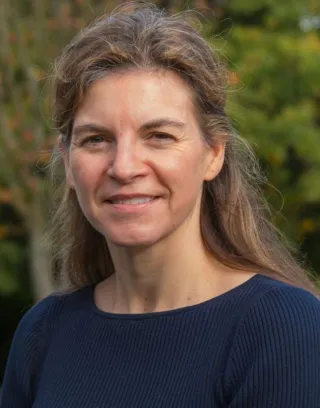
Erin Gibson is an Adjunct Professor in the Department of Anthropology within the Faculty of Indigenous Studies, Social Sciences and Humanities at the University of Northern British Columbia. She holds a PhD and MPhil from the University of Glasgow and a BA from Simon Fraser University. Currently, she serves as a senior researcher at the Stó:lō Research and Resource Management Centre (SRRMC), working on behalf of the S’ólh Téméxw Stewardship Alliance, focusing on heritage, reconciliation, and the impacts of infrastructure on Indigenous lifeways.
Research Interests: Erin's work centers on heritage in contested colonial landscapes, emphasizing heritage as social action, Indigenous rights and title, and the interconnections between nature, heritage, and well-being. Her expertise includes community-based research, trail systems, and decolonizing archaeological practice. She investigates how movement and social interaction along pathways reflect and shape power relations and identity.
Publication Trends: Her recent publications reveal a consistent focus on heritage resilience and resistance in both Cypriot and First Nations contexts. Themes include the role of education in rural heritage, state land enclosures, decolonization of landscapes, and the revitalization of Indigenous identity through material and spatial practices.
- Scientific Awards:
- Marie Skłodowska-Curie Research Fellowship
Advising and Grants: While not currently accepting graduate students, Erin has led significant research projects, including the 'PATH: Pathways to Heritage' project during her postdoctoral fellowship. Her current work at SRRMC involves community-driven research assessing cumulative impacts of infrastructure, suggesting active engagement with research funding and collaborative knowledge production.
Labs and Teams: Erin is actively involved with the Stó:lō Research and Resource Management Centre and the S’ólh Téméxw Stewardship Alliance, working collaboratively with Stó:lō communities to advance cultural stewardship and heritage-based reconciliation initiatives.