معرفی
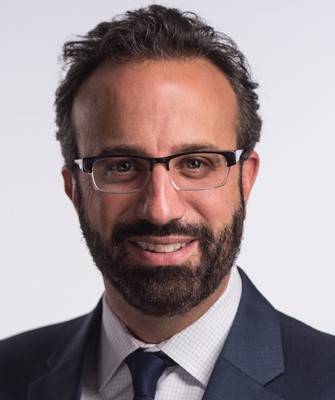
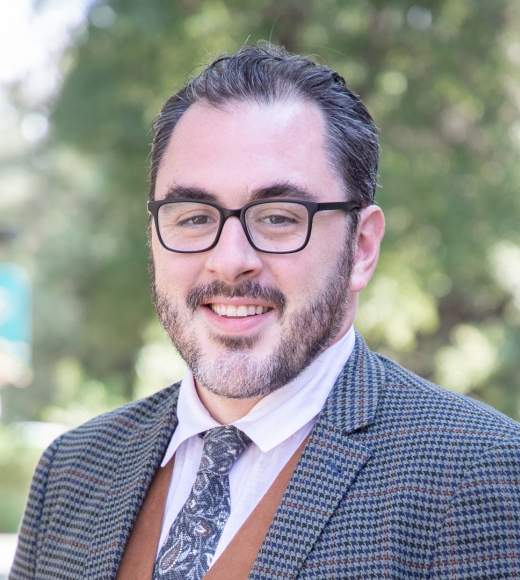
Eric Fish is a Professor of Law at the UC Davis School of Law (King Hall), where he joined in 2021. He specializes in criminal justice reform, immigration law, constitutional law, sentencing practices, and legal ethics. His teaching focuses on Criminal Law and Professional Ethics. Prior to academia, Fish worked as a public defender in San Diego and San Francisco, later clerking for Second Circuit Judges Pierre Leval and Guido Calabresi. He holds both a J.D. and Ph.D. in Law from Yale University, where he earned multiple awards for legal scholarship and public interest work.
His research critically examines systemic issues in criminal justice, including the criminalization of immigration, sentencing disparities, and the ethical obligations of defense attorneys. Notable publications explore topics like mass immigrant prosecutions, the paradox of criminal history, and the limits of criminal supervision. Fish’s work has been featured in prestigious journals such as the Yale Law Journal and Cornell Law Review, and he participates in high-impact legal commentary for platforms like The Hill and The New York Times.
- Educations:
- J.D. and Ph.D. in Law, Yale University (Articles Editor, Yale Law Journal)
His scholarship frequently intersects with contemporary legal challenges, advocating for equitable reforms in immigration prosecutions and adversarial systems. Awards include the Fred C. Zacharias Prize and selection for the Harvard/Stanford/Yale Junior Faculty Forum. Fish actively engages with judicial committees, such as presenting to the Ninth Circuit Opportunity & Equality Committee on immigrant sentencing practices.
- Awards:
- Joseph A. Chubb Prize (Best Legal Draftsmanship)
- Judge William E. Miller Prize (Bill of Rights Scholarship)
- Mary A. McCarthy Fellowship (Public Interest)
- 2023 Harvard/Stanford/Yale Junior Faculty Forum Selection
His advisory and grant involvement includes co-authoring legal briefs in racial justice cases with the Aoki Center. Fish’s research and advocacy reflect a commitment to addressing systemic inequities through both scholarship and public engagement.