معرفی
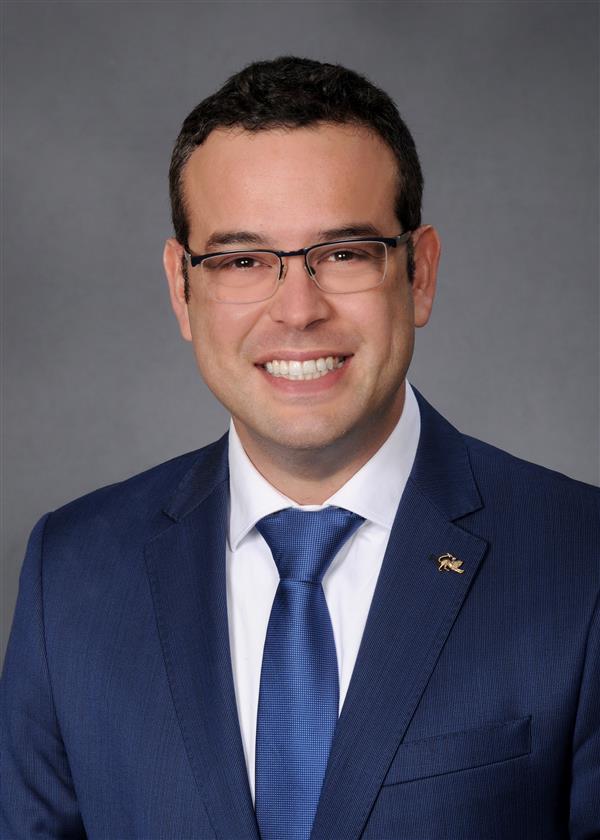
Professor Enrico Benedetti is the Warren H. Cole Chair in Surgery and serves as Department Head at the University of Illinois at Chicago College of Medicine. A prominent leader in solid-organ transplantation and robotic-assisted techniques, Dr. Benedetti has pioneered numerous surgical firsts including the first robotic donor nephrectomy for living-donor kidney transplant and the first combined living-donor liver and bowel transplant from an adult to an infant.
Dr. Benedetti's research focuses on several key areas of transplantation medicine:
- Robotic-assisted transplantation techniques
- Living donor organ transplantation (kidney, liver, pancreas, small bowel)
- Complex multi-organ transplantation procedures
- Minimally invasive surgical approaches in transplantation
- Outcomes analysis of transplant recipients
His publication record spans from 1996 to 2025, with over 280 publications focusing primarily on transplantation surgery. Recent work has emphasized robotic-assisted procedures, living donor transplantation across immunological barriers, and innovative approaches to intestinal and multivisceral transplantation. His research demonstrates a consistent trajectory toward improving surgical techniques, expanding donor pools, and enhancing patient outcomes in the field of transplantation.
Dr. Benedetti has received recognition through numerous professional memberships including:
- American Society of Transplant Surgeons
- The Transplantation Society
- American Society of Transplant Physicians
- National Kidney Foundation - Illinois Section
- Italian Medical Association
As an educator and mentor, Dr. Benedetti has supervised numerous surgical residents and fellows in transplantation techniques. His clinical practice at the University of Illinois Hospital & Health Sciences System focuses on abdominal organ transplantation, where he has established one of the largest living-donor intestinal transplant programs in the world.
Dr. Benedetti leads a research team focused on advancing robotic-assisted transplantation techniques and improving outcomes for patients with end-stage organ disease. His laboratory work complements clinical innovations with studies on immunosuppression protocols, surgical techniques, and long-term outcomes of transplant recipients.