معرفی
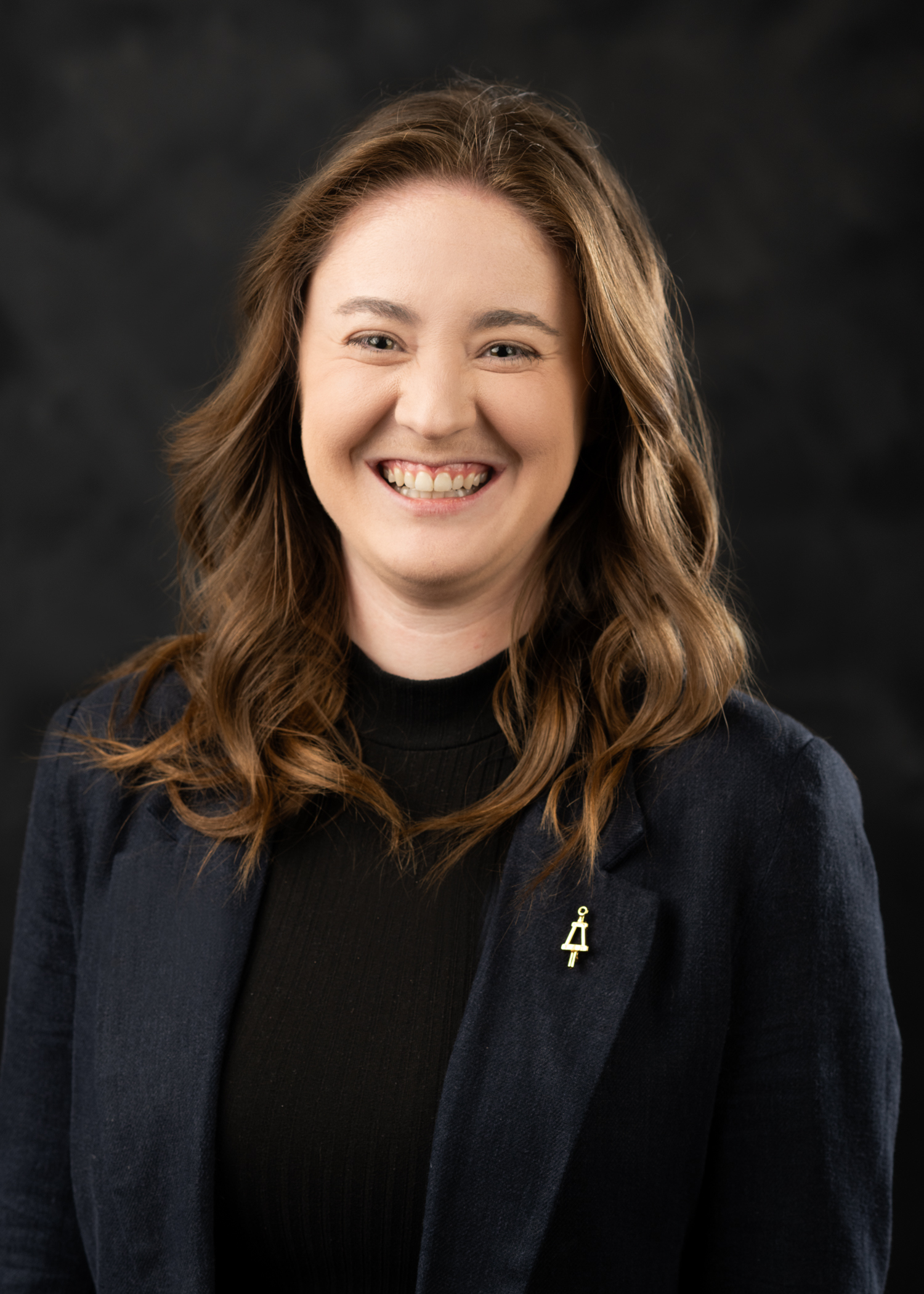
Emily Spayde is an Assistant Clinical Professor in the Department of Mechanical Engineering at Mississippi State University, part of the Bagley College of Engineering. She is actively engaged in teaching and research with a focus on sustainable energy systems and engineering education.
Education:
- Ph.D., Mechanical Engineering, Mississippi State University, 2017
- M.S., Mechanical Engineering, Mississippi State University, 2013
- B.S., Mechanical Engineering, University of Memphis, 2007
Her research interests lie at the intersection of thermodynamics, renewable energy, and sustainability, with a particular emphasis on Organic Rankine Cycles (ORC) for solar energy conversion. She investigates the energetic, economic, and environmental performance of solar-powered ORC systems across various climates and building types, aiming to enhance the feasibility of low-carbon energy solutions. Her work also extends into engineering education, contributing to pedagogical advancements in mechanical engineering curricula.
The recent publications highlight a strong trend in solar-driven thermal energy systems, particularly using Organic Rankine Cycles with dry working fluids and regenerative configurations. These works explore performance under diverse climatic and operational conditions, focusing on energy efficiency, environmental impact, and economic viability. Her earlier work also includes thermal modeling of automotive systems, showing a breadth in applied heat transfer applications.
Scientific Awards and Honors:
- ASEE Member (2016–present)
- MSSGC Graduate Fellowship Recipient (2012–2015)
- Bagley College of Engineering Graduate Fellowship (Fall 2010 – Spring 2012)
- Dean’s Award – College of Engineering, Spring 2007
- Pi Tau Sigma
- Tau Beta Pi
- ASHRAE Outstanding Junior Award
Emily Spayde has been involved in academic mentoring and instruction throughout her career, serving as a Graduate Teaching Assistant, Lecturer, and now as a Clinical Professor. While specific student advisees are not listed, her roles suggest active participation in student supervision and curriculum development. She has received competitive fellowships supporting her graduate studies, indicating recognition of her academic potential. There is no mention of external grants beyond these fellowships in the provided text.
There is no explicit information about leadership in research labs or collaborative teams, though her publications suggest collaboration with faculty such as P.J. Mago, R. Luck, and others in thermal systems research.